
The U.S. Department of Labor has proposed a rule that aims to facilitate the inclusion of alternative assets, including cryptocurrencies, private investments, and real estate, into 401(k) retirement plans. This proposal stems from an executive order issued by President Donald Trump in August, which directed regulatory bodies, including the Labor Department and the Securities and Exchange Commission, to promote broader access to such assets within these retirement vehicles.
Key Takeaways
- The U.S. Department of Labor has put forth a rule, initiated by an executive order from former President Donald Trump, that is designed to make it easier to incorporate alternative assets like cryptocurrencies into 401(k) plans.
- If enacted, this regulation would represent a significant shift from the traditional focus on stocks and bonds in 401(k)s, permitting plan providers to include a wider array of assets, including digital tokens and private market funds.
- Proponents argue that this change could enhance portfolio diversification and better align with how individuals are already investing outside of their retirement accounts. Conversely, critics, such as Senator Elizabeth Warren, have voiced concerns about increased risks, fees, and potential losses for workers.
The proposed rule from the Department of Labor follows President Trump’s August executive order, which specifically called for greater accessibility to alternative assets within 401(k) plans.
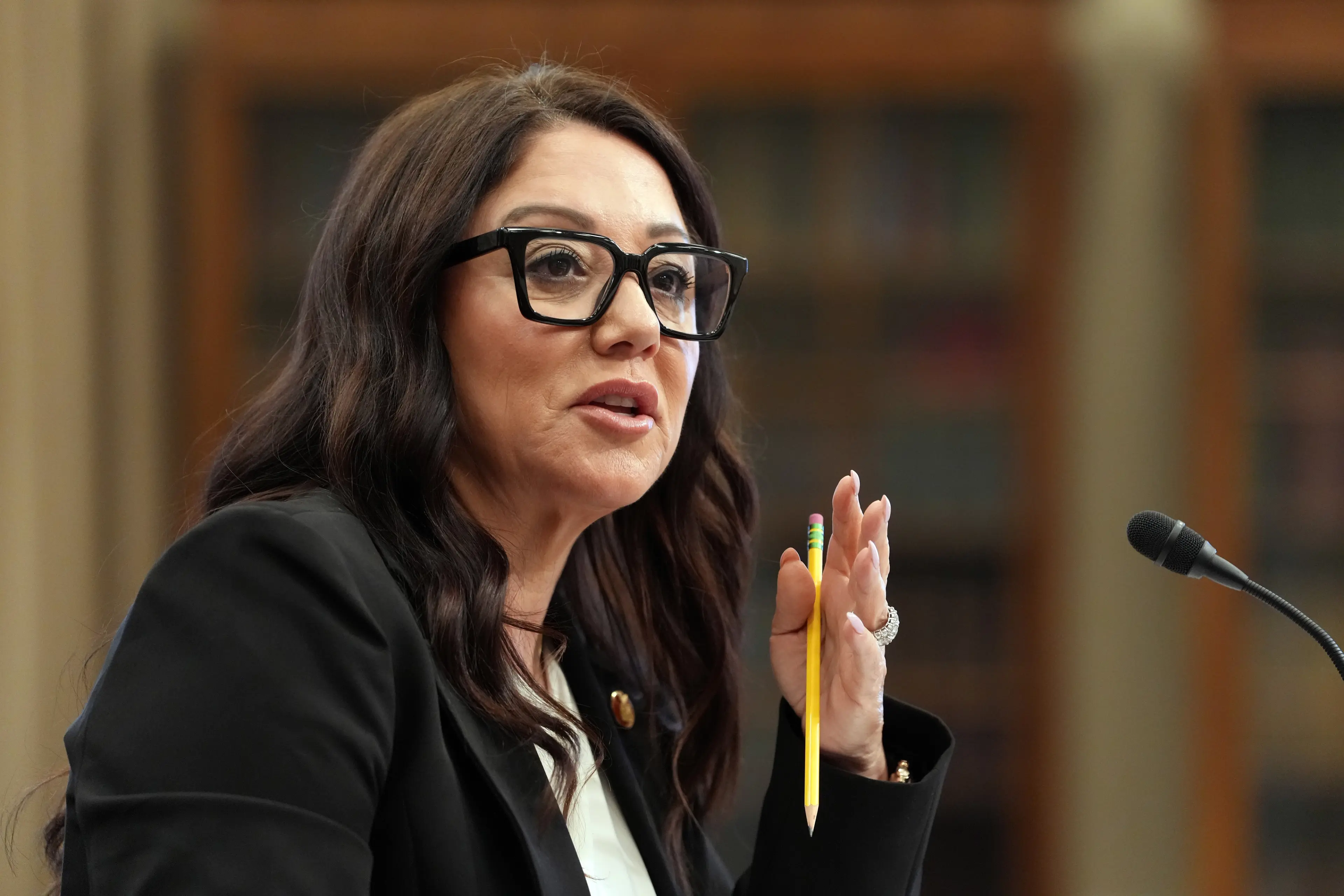
“This proposed rule will show how plans can take into account products that better reflect the investment landscape that exists today,” stated Secretary of Labor Lori Chavez-DeRemer in a press release.
Upon its adoption, the rule is expected to alter the landscape of retirement plan offerings. For many years, 401(k) plans have predominantly featured investments in stocks and bonds. The new framework would empower plan providers to incorporate a more diverse range of assets, including digital tokens and private market funds that are not traded on public exchanges.
This initiative builds upon previous regulatory adjustments. In May of the previous year, the Department of Labor rescinded earlier guidance that had cautioned fiduciaries to exercise “extreme care” when considering the addition of cryptocurrencies to retirement plans. President Trump’s executive order further advanced this by advocating for digital assets to be treated comparably to other investment options.
However, the proposal has encountered opposition from some lawmakers and financial advisors.
“As cracks appear in the private lending market, private equity returns tumble to a 16-year low, and crypto continues its wild nosedive, President Trump has decided it’s time to turbocharge Americans’ 401(k)s with all of these risky assets,” commented Senator Elizabeth Warren. She expressed concerns that the rule could lead to financial setbacks for workers while potentially benefiting large financial institutions.
The potential implications for the cryptocurrency market are substantial. U.S. 401(k) plans hold trillions of dollars in retirement savings, and even a modest allocation to digital assets could introduce significant new capital into the market. For example, if a large retirement plan serving tens of thousands of employees were to allocate just 1% of its portfolio to Bitcoin, it could result in millions of dollars flowing into crypto funds or tokens.
The Australian Parliament has passed its inaugural comprehensive digital asset legislation. This new regulatory framework mandates that cryptocurrency exchanges and asset custody providers must obtain an Australian Financial Services Licence within a six-month period.
Potential Regulatory Precedent
This move by the U.S. Department of Labor to consider alternative assets, including digital ones, for inclusion in 401(k) plans could set a significant regulatory precedent. Globally, regulators are increasingly grappling with how to integrate digital assets into traditional financial systems. If the proposed rule is finalized and implemented successfully, it could signal a broader acceptance and potential legitimization of cryptocurrencies as a viable component of diversified retirement portfolios within the United States. This could encourage other nations to review their own regulations regarding digital assets in pension funds, potentially leading to a more harmonized global approach to cryptocurrency regulation in retirement planning.
Based on materials from : www.coindesk.com