

- White House considering relocation of 84,000 US troops from NATO allies deemed unsupportive of operations.
- Poland, Romania, Lithuania, and Greece are potential beneficiaries of increased US military presence.
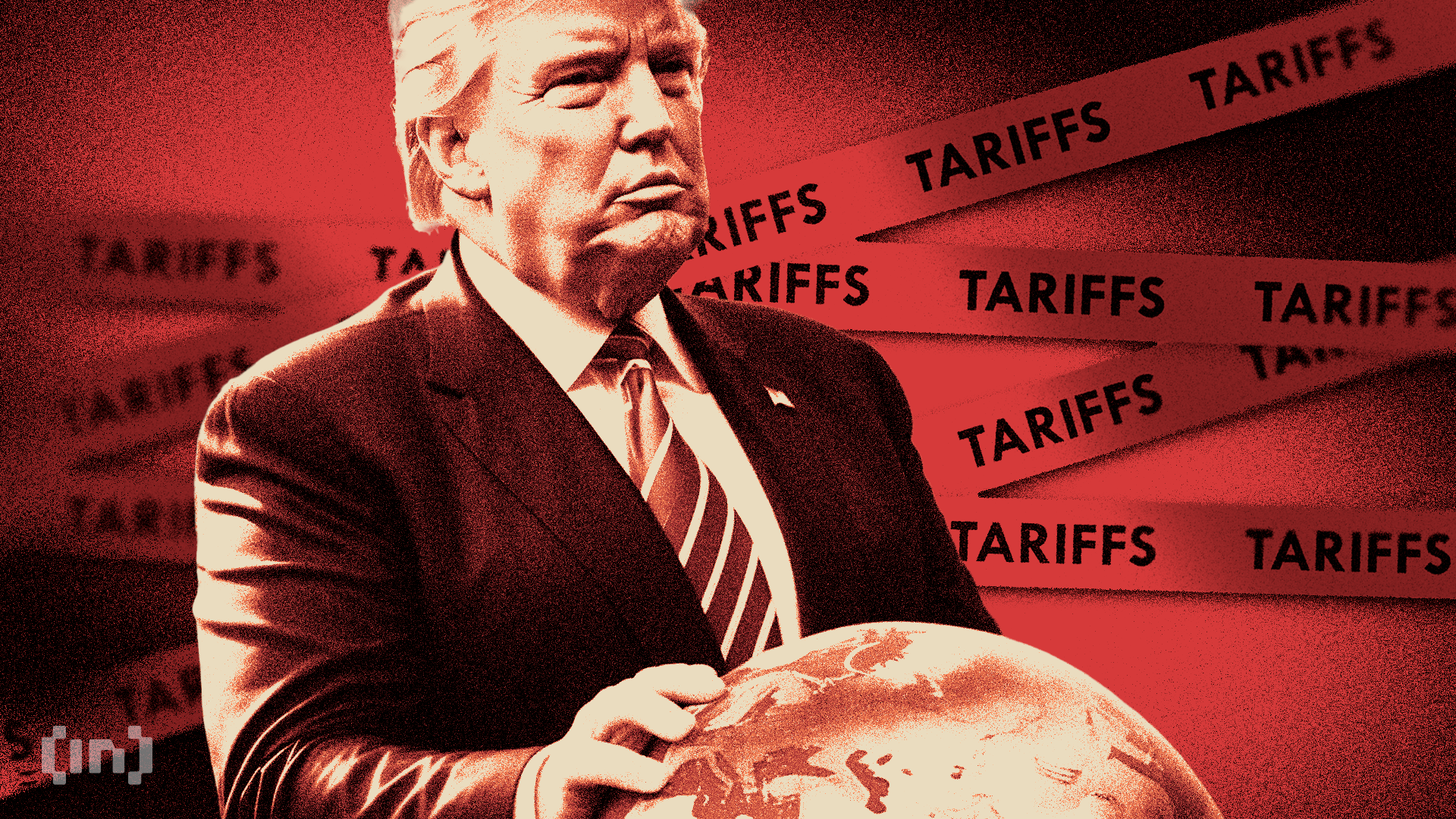
- Tariffs remain a potential, though unannounced, retaliatory measure against non-compliant NATO members.
President Trump is reportedly evaluating a strategy to redeploy US military personnel from NATO member states perceived as uncooperative regarding the Iran conflict. This initiative, still in its preliminary phase, is part of a broader White House effort to exert pressure on allies who have not provided adequate support for US-led initiatives, as detailed by The Wall Street Journal.
NATO Alliance Under Strain Amidst Strategic Reassessment
The proposed troop reallocation could affect a significant portion of the approximately 84,000 American soldiers stationed across Europe. Administration officials have voiced concerns over allies who declined to offer logistical assistance, airspace access, or base utilization during recent operations against Iran. This friction has prompted discussions about the strategic value and operational readiness of the North Atlantic Treaty Organization.
Geopolitical Realignment and Force Deployment
Nations identified as more aligned with Washington’s strategic objectives, particularly along the eastern flank, such as Poland, Romania, Lithuania, and Greece, are being considered for a bolstered US military presence. This potential redistribution signals a possible shift in focus and resource allocation within the alliance, prioritizing countries demonstrating greater cooperation.
Regarding the situation with Iran, Trump stated, “we’ve had some very good allies over there. We’ve had some very BAD ALLIES IN NATO.” He further commented on the alliance’s utility, noting, “We spend TRILLIONS on NATO, and when we need them… which we never do. They’re a PAPER TIGER.” This sentiment was shared on X (formerly Twitter) by an account tracking Trump’s statements.
Economic Sanctions as a Diplomatic Lever
In parallel to military considerations, economic measures are also being employed as a means of diplomatic leverage. President Trump previously threatened to sever all trade relations with Spain following its refusal to permit the use of its military bases for strikes against Iran, directing Treasury Secretary Scott Bessent to cease all trade activities with Madrid.
Furthermore, an immediate imposition of 50% tariffs on goods from any nation supplying weapons to Iran has been announced, with no exemptions. Russia and China, identified as principal arms suppliers to Iran, are expected to be significantly impacted by this measure.
While a formal tariff structure specifically targeting unsupportive NATO members has not yet been implemented, the episode involving Spain and President Trump’s established pattern of integrating military pressure with economic sanctions suggest that trade-related actions remain a viable option. The eventual application of such measures may hinge on the collective response of NATO members as ceasefire negotiations with Iran progress.
According to the portal: beincrypto.com