
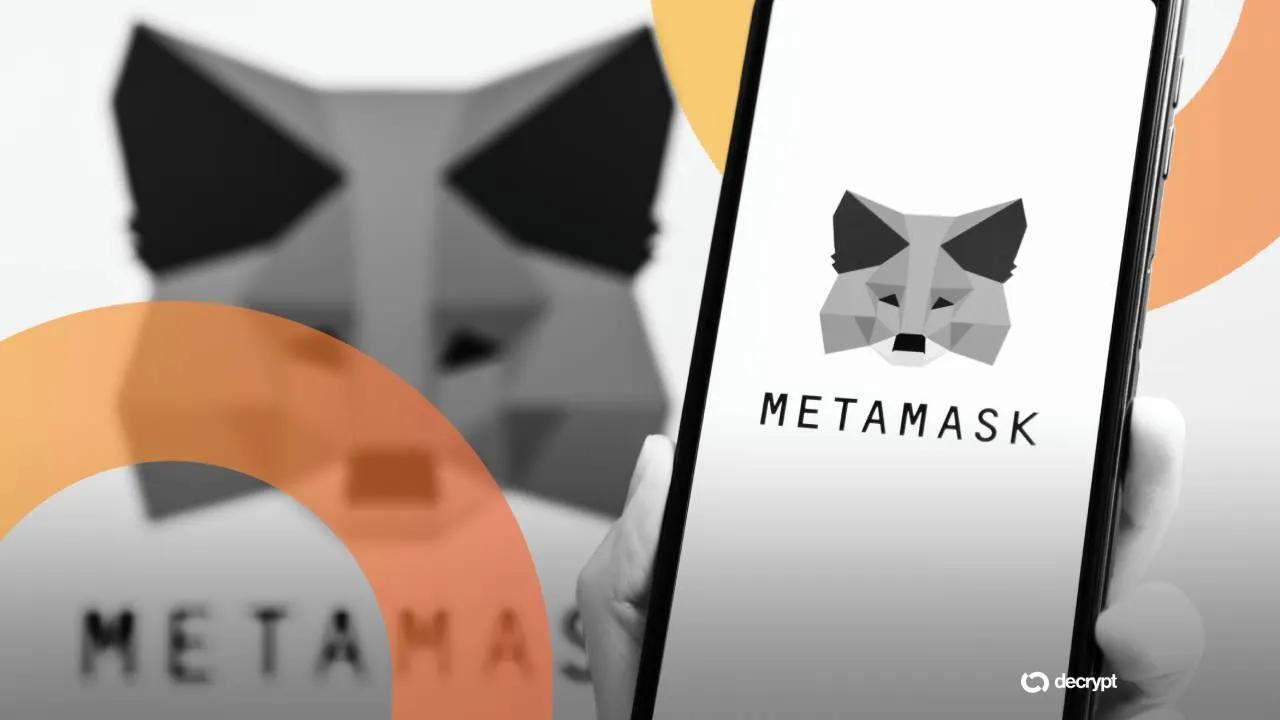
MetaMask has introduced its Agent Wallet, a groundbreaking self-custodial solution engineered to empower AI agents to autonomously execute transactions within decentralized finance (DeFi) ecosystems. This innovative wallet operates under user-defined security parameters, ensuring that while AI handles on-chain activities, users retain ultimate control over their funds and transaction approvals. The development addresses a growing trend of AI agents engaging with the blockchain, aiming to provide a more secure and controlled environment for these automated operations.
Key Takeaways
- MetaMask has launched Agent Wallet, a self-custodial wallet enabling AI agents to perform autonomous on-chain transactions.
- The wallet incorporates advanced security features like transaction simulation, threat detection, and mandatory security checks to mitigate risks associated with AI-driven finance.
- Currently in an Early Access Program with approximately 200 users, a wider release is anticipated this summer.
The Agent Wallet emerges at a time when developers are increasingly focused on creating AI agents capable of sophisticated financial management, including portfolio optimization and direct interaction with decentralized applications (dApps). While currently accessible to a limited group through an Early Access Program, a broader rollout is planned for the coming months. Zhen Yu Tong, MetaMask’s Senior Director of Product, highlighted the urgency of establishing robust infrastructure for these agents, noting that many are currently operating with direct access to private keys, a practice that mirrors the security vulnerabilities the crypto industry has worked to overcome.
Unlike existing solutions that may grant AI agents direct control over private keys—posing significant risks of unintended transactions or fund loss—MetaMask’s Agent Wallet routes transactions through its established security framework. This includes comprehensive measures such as transaction simulation, detection of scams and malicious contracts, threat scanning powered by Blockaid, Clear Signing protocols, and MEV (Maximal Extractable Value) protection via Servo. The design philosophy prioritizes limiting the impact of potential AI errors rather than assuming AI models are entirely impervious to manipulation.
Recognizing the persistent challenge of prompt injection attacks, where malicious inputs can compromise AI systems, MetaMask has implemented layered security controls. In its default “Guard Mode,” users can establish specific parameters, including spending limits, approved protocols, and other operational boundaries. Transactions deviating from these rules or flagged as suspicious will necessitate multi-factor authentication (2FA) for approval.
For users seeking more autonomous operation, “Beast Mode” offers greater flexibility. While allowing agents to act with less frequent pop-up interventions, this mode still enforces 2FA for any transaction identified as malicious by the threat detection system, ensuring a fundamental layer of security remains intact regardless of the operational mode.
Even in Beast Mode, agents operate within user-defined parameters such as spending caps, asset and protocol restrictions, and time-based limitations. This allows for autonomous activities like portfolio rebalancing and payments without requiring explicit approval for every individual transaction. Guard Mode acts as a strict allowlist for approved counterparties, while Beast Mode focuses on real-time threat assessment, triggering 2FA only when potential risks are detected.
The Agent Wallet supports a range of Ethereum Virtual Machine (EVM)-compatible chains, alongside platforms like Hyperliquid. It integrates with prominent agent frameworks including OpenAI Codex, Anthropic’s Claude Code, Cursor, OpenClaw, and Hermes Agent. Utilizing Cubist’s trusted execution environment technology, private keys are secured within a hardware-isolated enclave during the signing process, preventing access by MetaMask or Consensys.
MetaMask’s move into AI agent infrastructure follows similar initiatives from other major crypto players. Coinbase recently launched Agentic Wallets, also featuring isolated private keys and TEE technology for AI-driven asset management. MoonPay has expanded its agent strategy by integrating Ledger hardware wallets for AI transactions requiring human oversight and introduced the Open Wallet Standard, an open-source framework aimed at unifying AI agent wallet management across blockchains, with support from entities like PayPal and the Ethereum Foundation. Most recently, MoonPay released a desktop application enabling users to connect AI assistants to various blockchain tools through a user-friendly interface.
Long-Term Technological Impact on the Blockchain Industry
The introduction of MetaMask’s Agent Wallet represents a significant stride towards integrating artificial intelligence into the core fabric of Web3 interactions. By providing a self-custodial framework that specifically caters to AI agents, the platform is addressing a critical need for secure and controllable automation in decentralized finance. This development has the potential to accelerate the adoption of AI-powered decentralized applications by lowering the barrier to entry for complex automated strategies. It fosters an environment where advanced AI can leverage blockchain technology without compromising user security, a crucial step in moving beyond simple smart contract execution to more sophisticated, adaptive decentralized systems. The emphasis on user-defined controls and robust security measures, even in autonomous modes, sets a precedent for future AI integrations, encouraging responsible development and mitigating risks associated with early adoption. This could pave the way for entirely new classes of decentralized services and automated financial tools, fundamentally altering how users and developers interact with blockchain networks and unlocking new levels of efficiency and innovation in the Web3 space.
Based on materials from : decrypt.co