

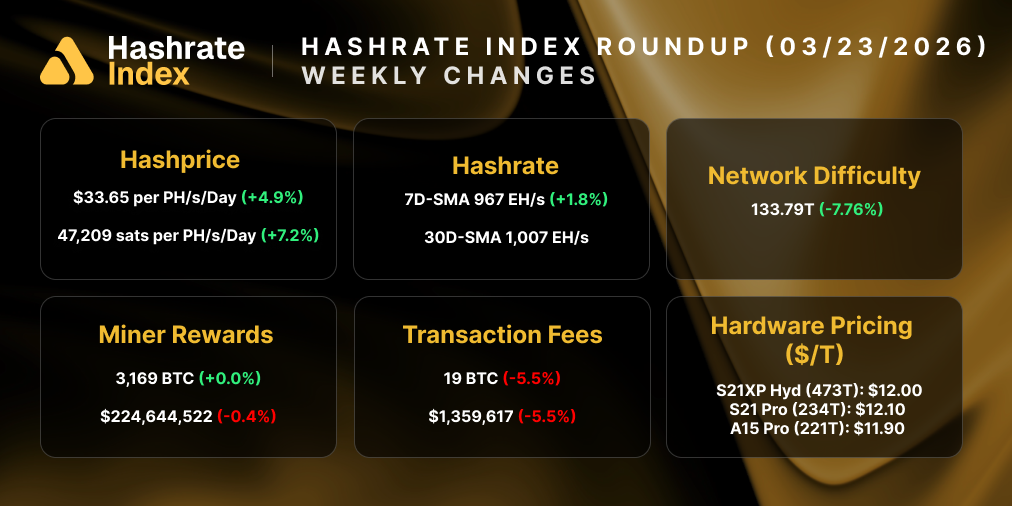
The Bitcoin mining landscape experienced a dynamic week characterized by a notable increase in network hashrate and a subsequent decrease in mining difficulty. Despite a dip in the US Dollar price of Bitcoin, the effective revenue per unit of hashpower, known as hashprice, saw an uptick. Miners collectively earned approximately 3,169 BTC, valued at around $225 million, with transaction fees contributing a modest 19 BTC ($1.4 million) to this total.
Key Takeaways
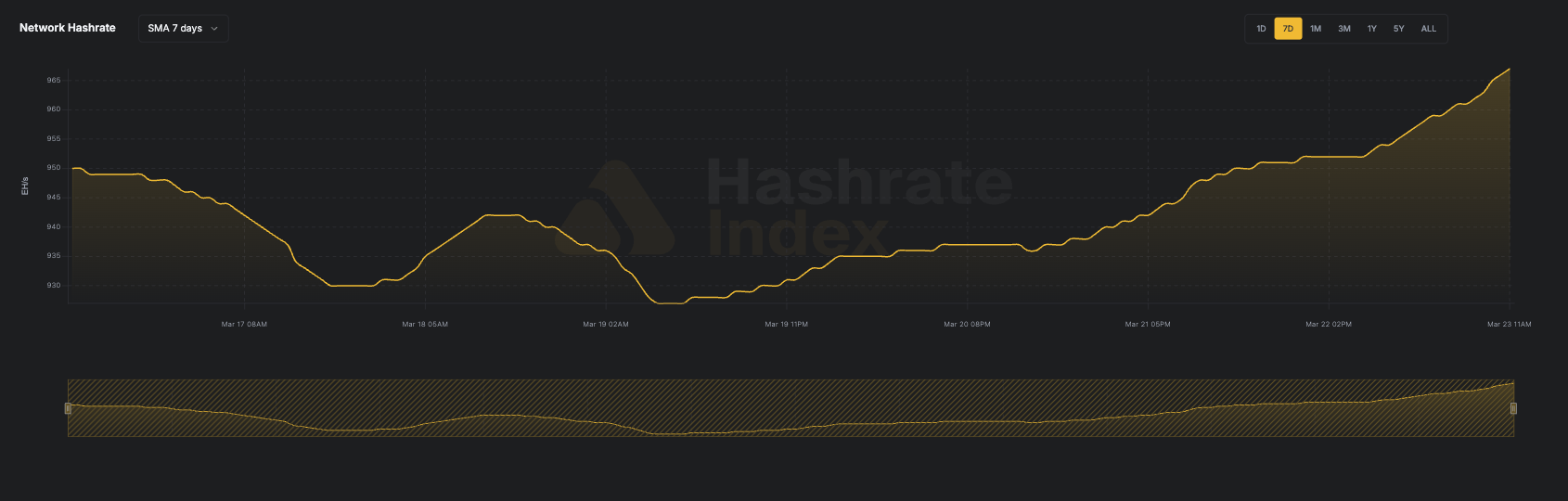
- Network hashrate increased by 4.73% to a 7-day average of 930 EH/s.
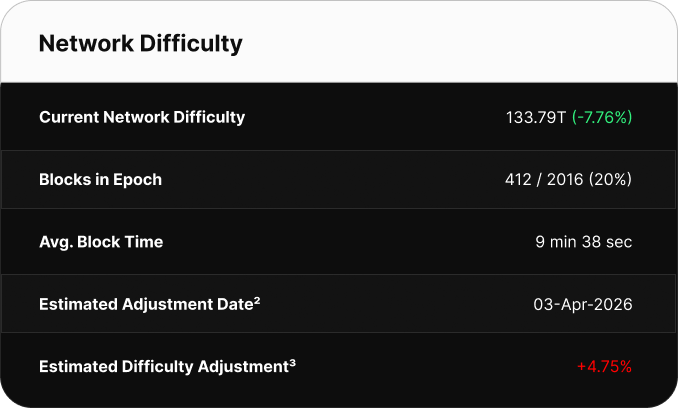
- Mining difficulty experienced a slight decrease of 0.45%.
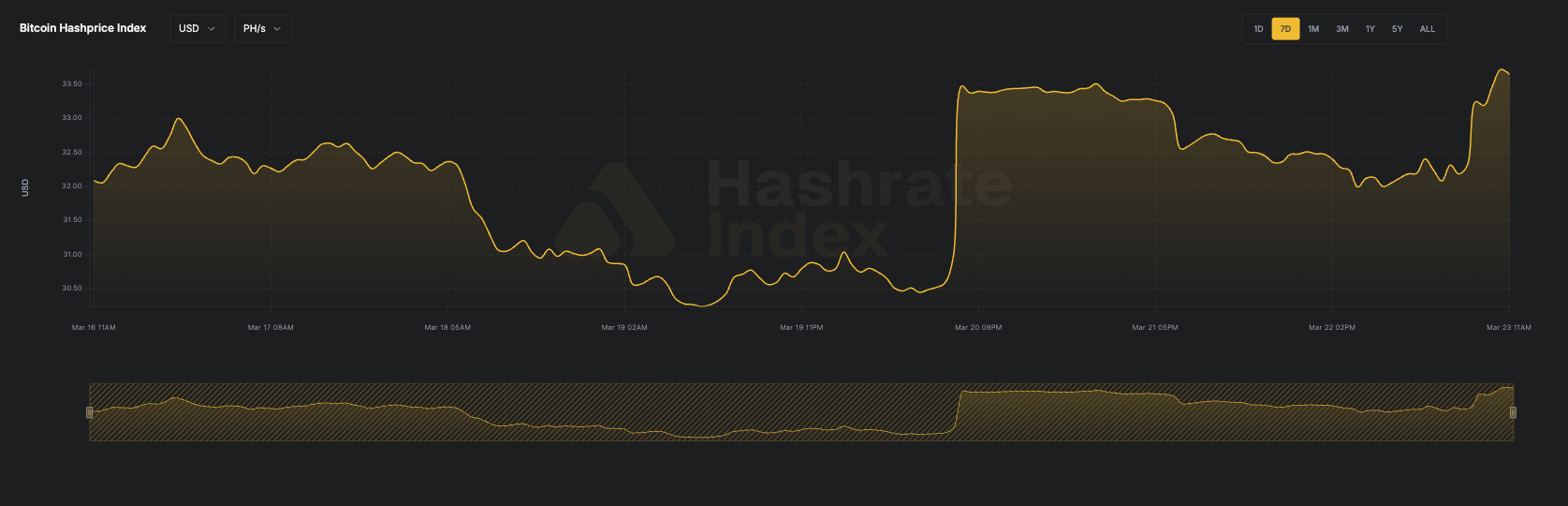
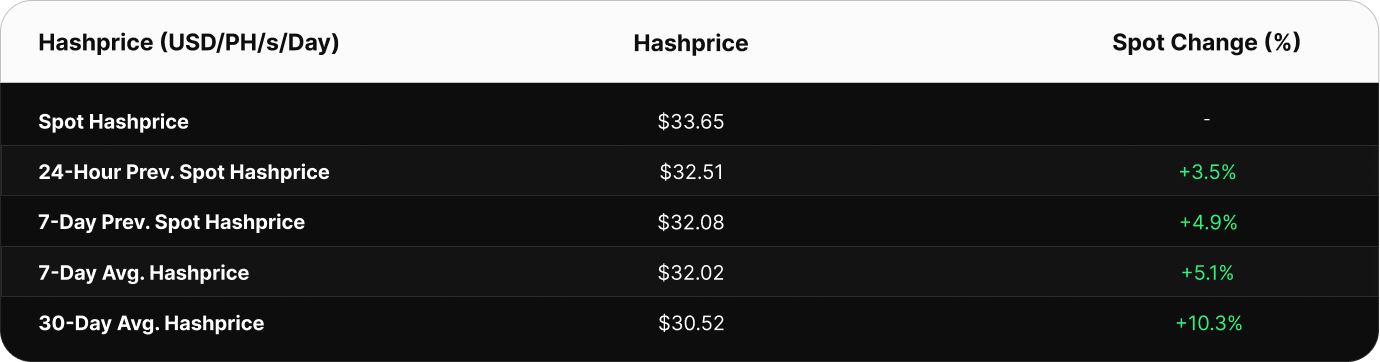
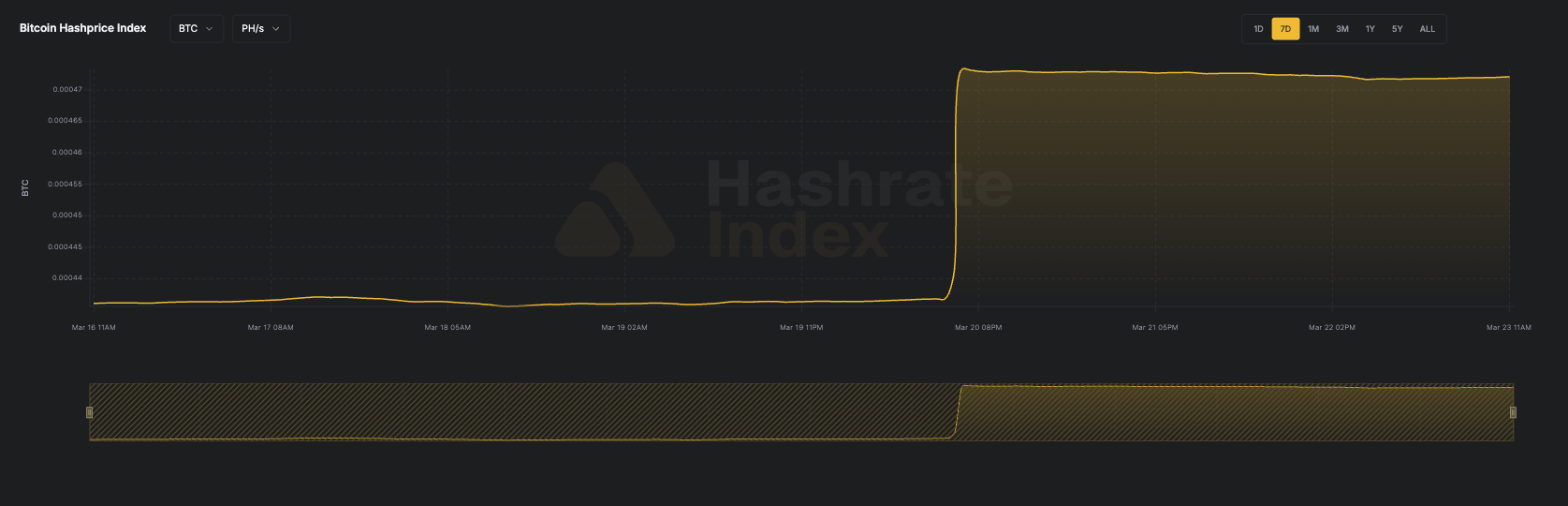
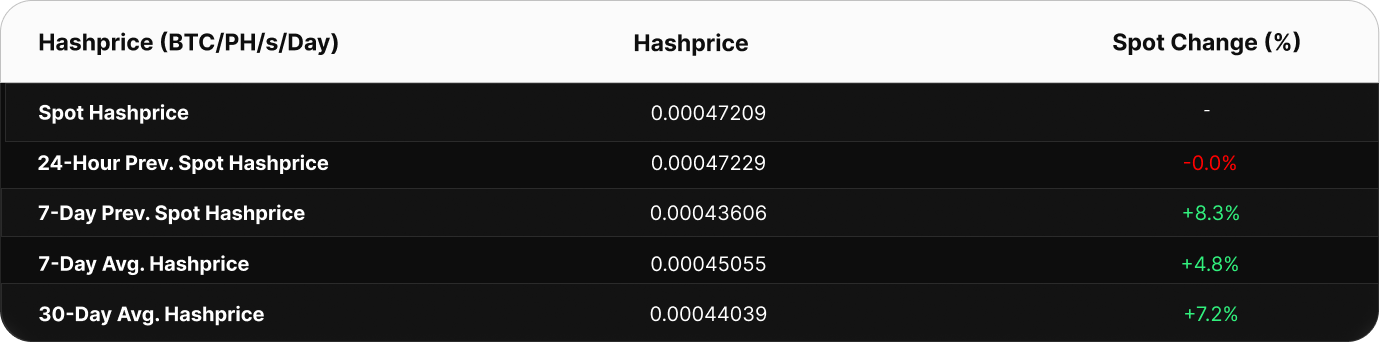
- USD hashprice rose by 4.9% to $33.65 per PH/s/Day, while BTC hashprice increased by 8.3%.
- Bitcoin’s market price saw a decline of 4.1% over the past week.
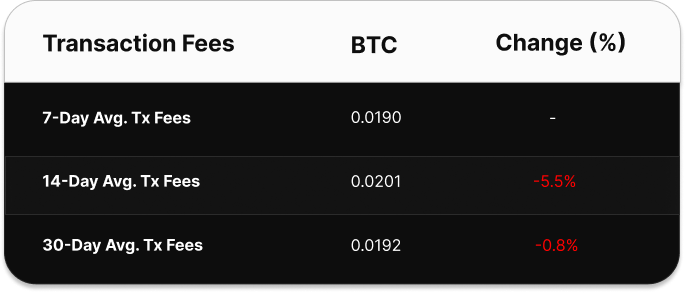
- Transaction fees accounted for 0.61% of total miner revenue.
- Hardware pricing remained stable, with the S21XP valued at $25.70/TH.
Bitcoin’s market price experienced a 4.1% depreciation, settling around $70,560. This downturn places its year-to-date performance at -19.3%. In parallel, the hashprice, a critical metric for miner profitability, demonstrated resilience. The USD hashprice climbed 4.9% to $33.65 per PH/s/Day, and the BTC hashprice saw a more substantial gain of 8.3%, reaching 0.00047209 BTC per PH/s/Day. This divergence suggests that while the market value of Bitcoin decreased, the efficiency and reward structure for miners improved on a per-hash basis.
Network Dynamics and Miner Profitability
The past week saw a significant 4.73% surge in the network hashrate, averaging 930 EH/s. This increase in computational power, paradoxically, coincided with a -0.45% adjustment downwards in network difficulty. This adjustment period has averaged block times of approximately 9 minutes and 38 seconds over the last 24 hours, indicating a move back towards the target block time of 10 minutes after the hashrate increase.
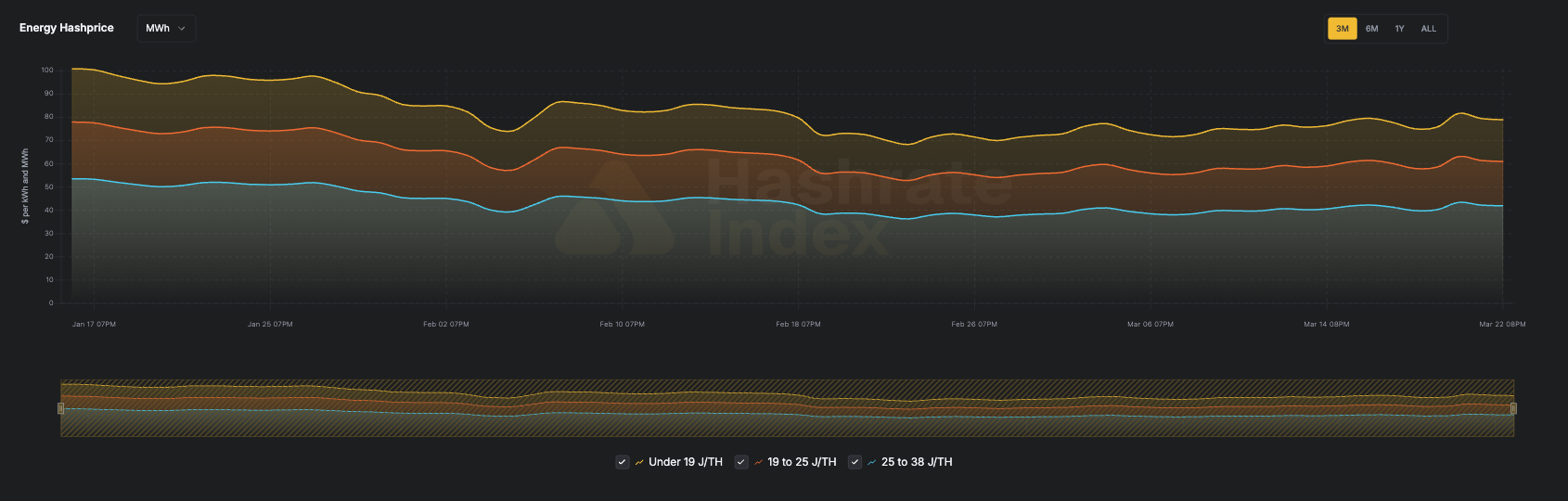
For mining operations, revenue per megawatt-hour (MWh) varies significantly based on the efficiency of their hardware fleet. For operations utilizing hardware with efficiencies below 19 J/TH, revenue stands at $79 per MWh. Fleets operating between 19-25 J/TH are earning $61 per MWh, while those in the 25-38 J/TH range are generating $42 per MWh. At current hashprice levels, which hover around $33 per PH/s/Day, miners operating older, less efficient hardware (above 25 J/TH) are likely operating at or near their breakeven points, making cost management, particularly electricity expenses, paramount.
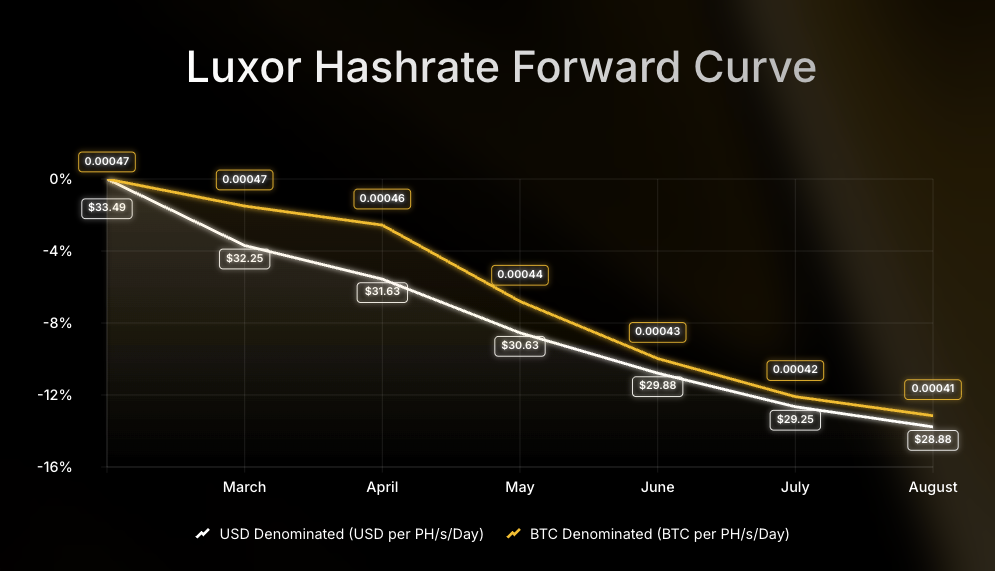
The forward market indicates a cautious outlook, pricing in an average hashprice of $30.42 (or 0.00044 BTC) over the next six months. This suggests that while current conditions are improving for miners, market expectations anticipate a potential cooling off or stabilization of profitability in the near to medium term.
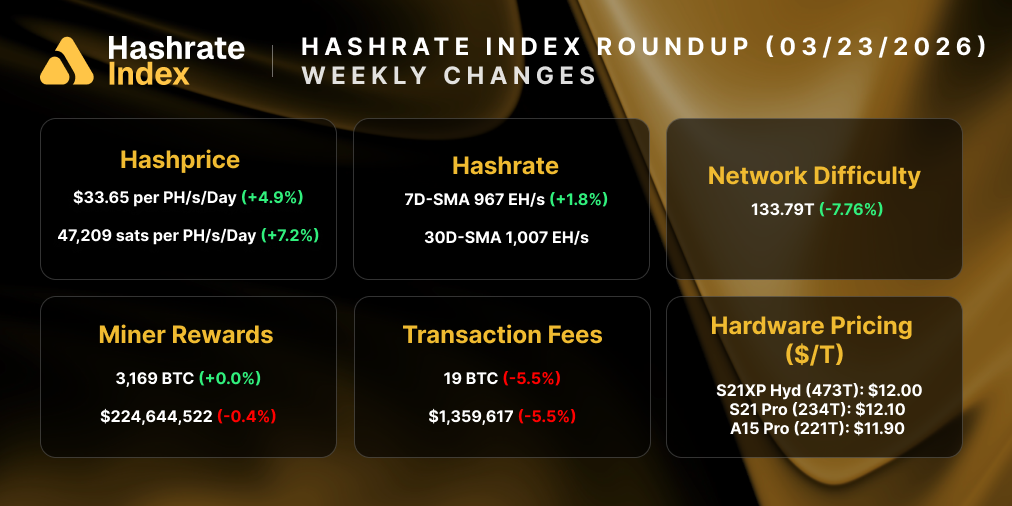
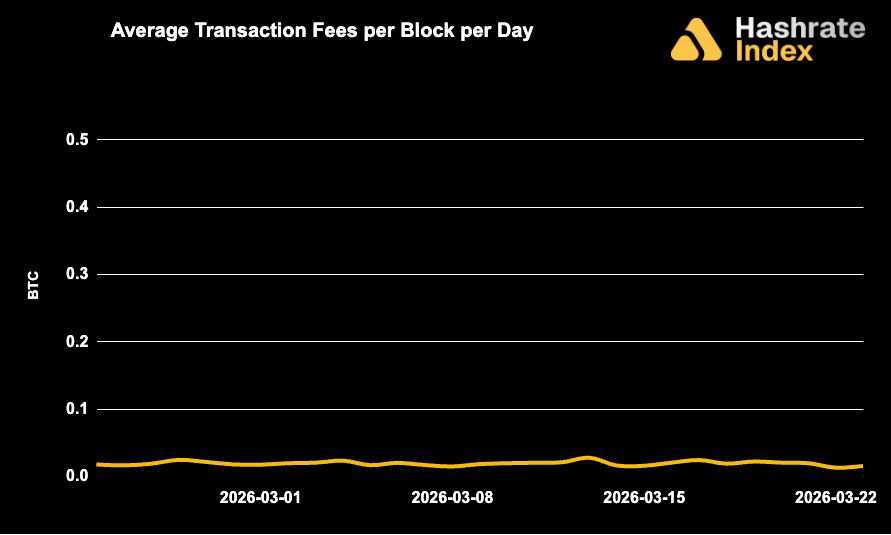
Transaction fees, while a smaller component of miner revenue, are crucial for understanding network demand. Over the last week, the average daily transaction fees per block were 0.0190 BTC, a 5% decrease from the previous week. This indicates a slight cooling in on-chain activity or a reduction in high-value transactions being prioritized by users paying for block space.
Impact on Miner ROI and Network Security
The recent increase in network hashrate, coupled with a decrease in difficulty, presents a complex scenario for miner Return on Investment (ROI). While the higher hashrate indicates robust investment in mining infrastructure, the difficulty adjustment aims to stabilize block production. For large-scale industrial mining farms with access to cheap electricity and state-of-the-art ASICs (Application-Specific Integrated Circuits) like the S21XP, the current hashprice environment likely remains profitable, especially with efficiency rates below 19 J/TH. These entities can absorb minor fluctuations in Bitcoin price and hashprice more effectively due to economies of scale.
Conversely, small-scale miners operating with less efficient hardware or higher energy costs face increased pressure. The breakeven hashprice for some older ASIC models or GPU mining operations (for altcoins, though not detailed here) could be higher than the current spot hashprice. This necessitates a strategic focus on optimizing energy consumption and potentially upgrading hardware to remain competitive. The stability of network security is directly tied to the hashrate; a consistently high and distributed hashrate, regardless of individual miner profitability, strengthens the network against potential attacks. The current trend of increasing hashrate suggests continued confidence in the network’s long-term viability, even amidst short-term price volatility.
According to the portal: hashrateindex.com