


Conflict Economics: The Iran War’s Daily Toll on American Households
The escalating conflict involving Iran is exerting a tangible financial pressure on American consumers, with recent estimates indicating a monthly cost of approximately $30 to $45 billion. This figure translates to an average daily expense of around $2.50 to $3.80 per individual.
- The conflict incurs an estimated monthly cost of $30–45 billion, or roughly $3 per American daily.
- Primary cost drivers include increased military expenditures and elevated fuel prices stemming from higher oil prices.
- The war is contributing to rising inflation and increased borrowing costs, amplifying financial strain on households.
The bulk of these expenses is attributed to direct military spending. Early assessments suggest that tens of billions have been allocated to operational costs, representing the most significant immediate financial outlay.
Beyond military spending, consumers are experiencing the impact most acutely through elevated fuel prices. Global oil prices have surged significantly, driven by supply concerns and potential disruptions in critical shipping lanes. This rise in crude oil prices has directly translated to higher gasoline costs, adding billions in cumulative expenses for American households.
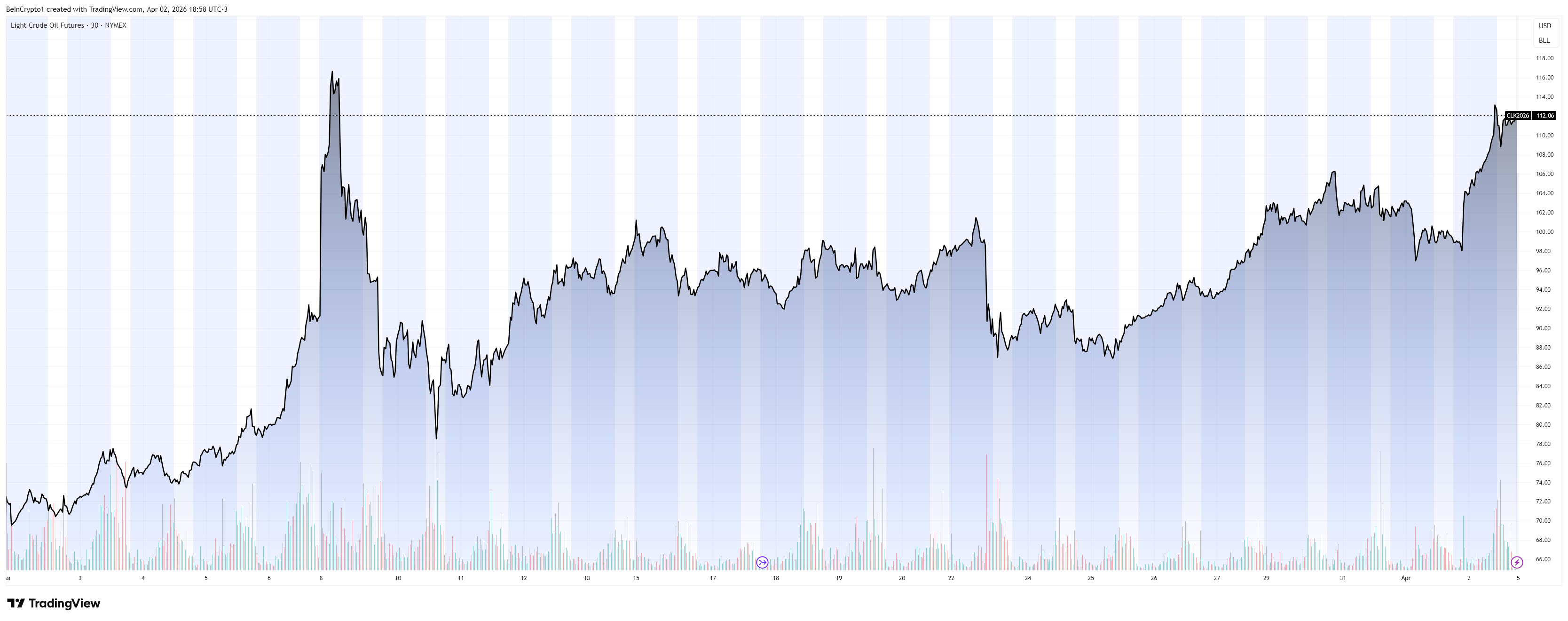
The economic repercussions extend further, with inflationary pressures beginning to mount. The increase in oil prices has a cascading effect on the cost of transportation, food, and various goods. Concurrently, rising interest rates are increasing the cost of borrowing, impacting sectors like housing finance.
Furthermore, a substantial, though less direct, cost is emerging from the financial markets. U.S. stock markets have experienced significant valuation declines during the conflict period, impacting retirement portfolios and personal savings. While not an immediate daily expenditure, these market losses represent a considerable indirect financial cost to individuals.
Higher grocery prices could soon hit supermarkets as the war with Iran continues. The higher prices are because of a surge in the cost of diesel fuel, which powers many of the vehicles transport products across a vast global supply chain.
— unusual_whales (@unusual_whales) March 23, 2026
There is a near-perfect correlation between US oil prices and US CPI inflation, as shown in our below analysis.
As WTI crude surges above $112/barrel, we believe the US economy is bracing for 3.5%+ CPI inflation, particularly if current prices persist through April.
Asset…
— The Kobeissi Letter (@KobeissiLetter) April 2, 2026
Detailed Financial Analysis
Cost Breakdown of the Conflict (34-Day Period)
| Category | Estimated Cost |
| Military spending | $23B – $34B |
| Higher fuel costs | $4B – $6B |
| Inflation spillover | $2B – $4B |
| Total | $30B – $45B |
Broader Economic Implications
The current financial outlay suggests that the average American is contributing a modest sum daily through indirect channels such as price increases and government expenditures related to the conflict. However, the potential for escalation poses a significant risk. A sustained increase in oil prices or a broadening of the conflict could lead to a substantial rise in these costs, simultaneously impacting inflation rates and destabilizing financial markets.
Based on materials from : beincrypto.com