

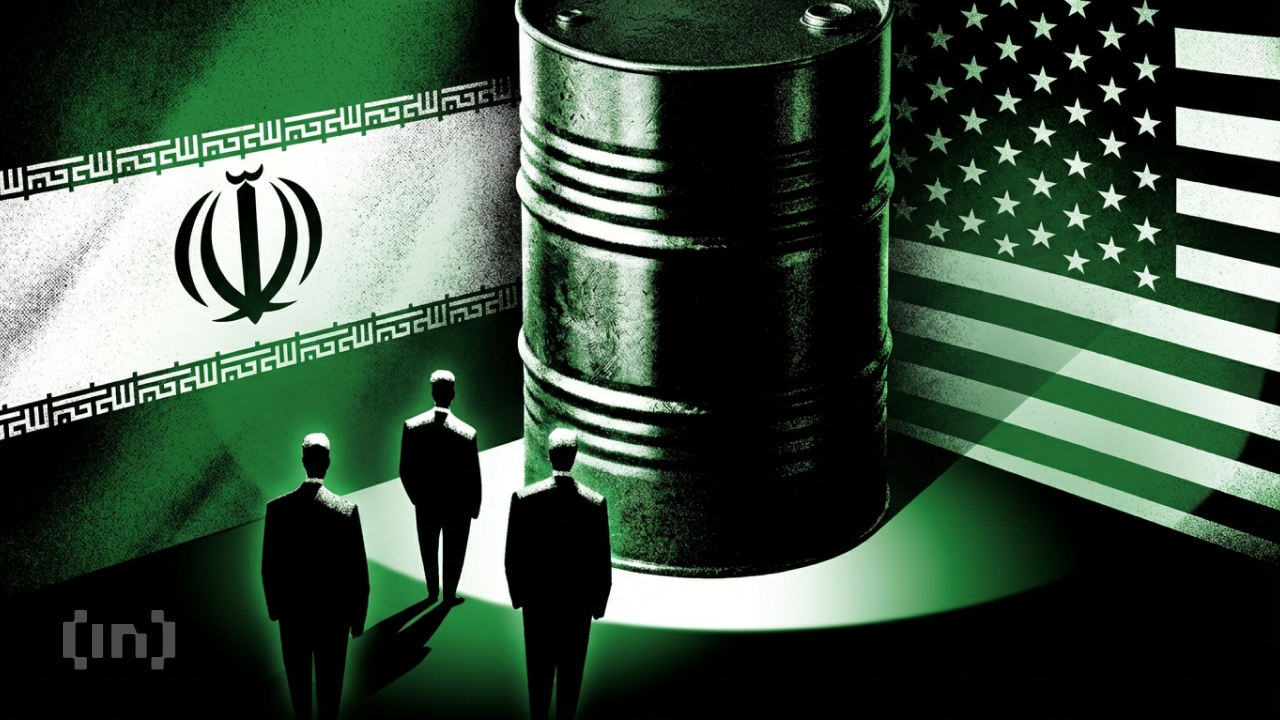
The United States Central Command (CENTCOM) is set to implement a comprehensive blockade on all maritime vessels entering or exiting Iranian ports, commencing April 13 at 10 a.m. ET, following a recent presidential proclamation. This measure targets all ships, irrespective of their national registry or ownership, operating within Iranian coastal waters, encompassing ports in the Arabian Gulf and the Gulf of Oman.
Key Takeaways
- U.S. announces blockade on all ships entering and leaving Iranian ports starting April 13.
- Strait of Hormuz remains open despite escalating maritime restrictions on Iranian coastal shipping routes.
- Move heightens geopolitical tensions and raises concerns over global oil market stability and security.
CENTCOM Announces Maritime Clampdown on Iranian Ports
CENTCOM has clarified that this strategic move is not intended to disrupt the freedom of navigation for vessels transiting the Strait of Hormuz that are destined for or departing from non-Iranian ports. This distinction is crucial for maintaining the stability of global energy supply chains.
“The blockade will be enforced impartially against vessels of all nations entering or departing Iranian ports and coastal areas, including all Iranian ports on the Arabian Gulf and Gulf of Oman,” the CENTCOM articulated.
Official statements indicate that the enforcement will be impartial, and commercial mariners will receive detailed guidance through formal “Notice to Mariners” communications prior to the blockade’s commencement. Vessels operating in proximity to the Gulf of Oman and the approaches to the Strait of Hormuz are advised to monitor maritime broadcasts and maintain communication with U.S. naval forces via VHF channel 16.
This action represents a significant escalation of maritime pressure on Iran amid heightened regional geopolitical tensions, which have already impacted shipping routes and increased volatility in global energy markets. Analysts suggest that while the Strait of Hormuz will remain accessible, the restriction of access to Iranian ports could impose considerable economic strain on the Iranian government.
The U.S. will blockade all Iranian ports. No blockade for non-Iranian ports. Maximum pressure on the regime.
CENTCOM has not yet disclosed the anticipated duration of the blockade. Further operational updates are expected to be released as the situation in the region evolves. Shipping operators and energy market participants will be closely observing developments as enforcement begins, with maritime risk assessments anticipated to undergo revisions.
Impact on Global Markets and Geopolitical Ramifications
The imposition of a blockade on Iranian ports could lead to adjustments in insurance premiums for cargoes bound for the Gulf region, contingent upon the scope of enforcement and any potential retaliatory measures from Iran. The situation remains dynamic, with governments and commercial entities awaiting additional clarification from U.S. naval authorities.
“Enjoy the current pump figures. With the so-called ‘blockade’, Soon you’ll be nostalgic for $4–$5 gas,” wrote Ghalibaf, Speaker of the Islamic Republic of Iran’s Parliament.
Based on materials from : beincrypto.com