

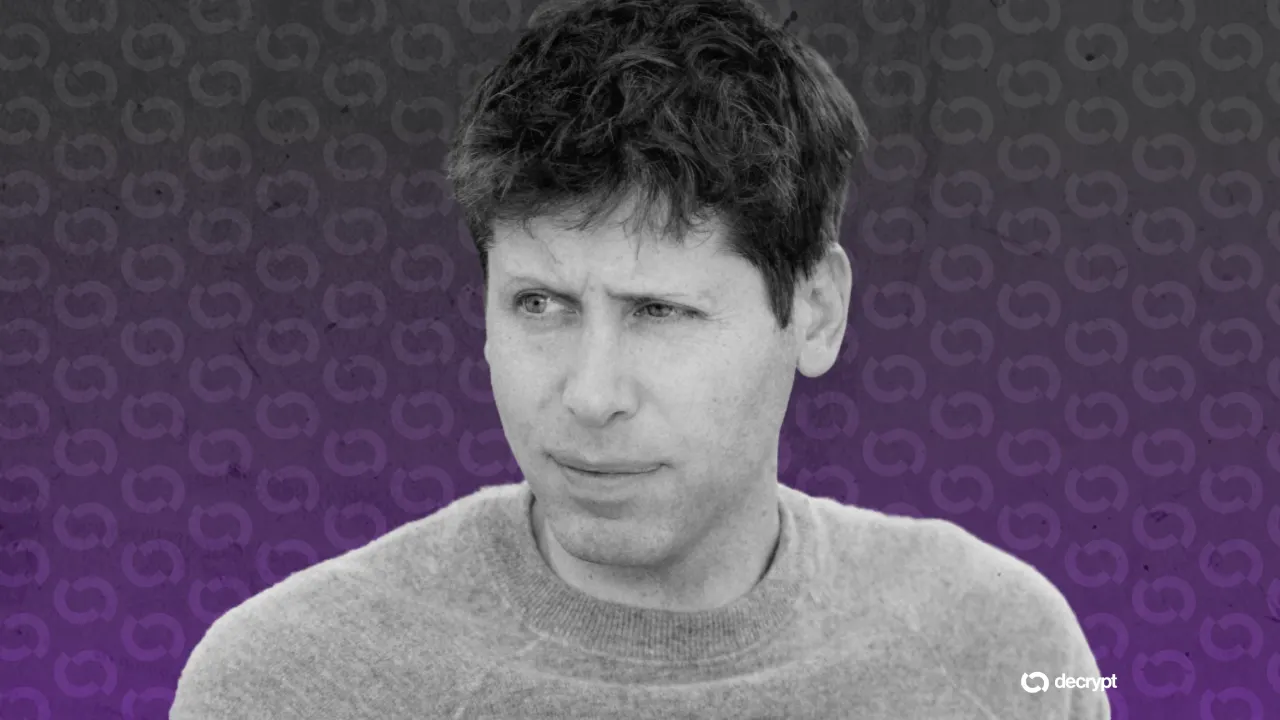
OpenAI CEO Sam Altman has voiced skepticism regarding the escalating concerns surrounding Anthropic’s advanced AI model, Claude Mythos. Altman suggests that the heightened apprehension may stem from “fear-based marketing” by Anthropic, aimed at concentrating AI control within a select group. He argued that such marketing tactics are employed to justify keeping powerful AI systems exclusive to perceived trustworthy entities.
Key Takeaways
- OpenAI CEO Sam Altman believes Anthropic is using “fear-based marketing” for its Claude Mythos model.
- Claude Mythos has demonstrated significant capabilities in identifying software vulnerabilities and simulating cyber operations.
- Governments and researchers have raised concerns about both the defensive and offensive implications of Claude Mythos.
- Altman emphasized OpenAI’s commitment to broader AI accessibility while acknowledging legitimate safety concerns.
- The debate highlights a divergence in the AI industry regarding controlled versus widespread AI deployment.
During an appearance on the Core Memory podcast, hosted by journalist Ashlee Vance, Altman elaborated on his perspective. He stated that while genuine safety concerns surrounding AI exist, the narrative around potentially dangerous AI can be strategically used. Altman characterized this approach as akin to advertising a “bomb shelter” at a high price, implying it serves to consolidate power and access to advanced AI under the guise of essential security. He acknowledged the complexity of balancing cutting-edge AI capabilities with the principle of accessibility, a core tenet for OpenAI.
The Long-Term Impact of AI Cybersecurity Innovations
The development and deployment of AI models like Anthropic’s Claude Mythos, with their advanced cybersecurity capabilities, represent a significant inflection point for the broader technological landscape. This news underscores a critical evolving frontier where artificial intelligence directly intersects with digital security. The ability of an AI to autonomously identify and potentially exploit software vulnerabilities at scale presents both unprecedented opportunities for defense and profound risks for offense.
From a blockchain and Web3 perspective, the implications are substantial. Enhanced AI-driven vulnerability detection could dramatically improve the security posture of decentralized applications, smart contracts, and blockchain infrastructure, potentially reducing exploits and bolstering user trust. Layer 2 scaling solutions and complex DeFi protocols, often targets for sophisticated attacks, could benefit immensely from proactive, AI-powered threat identification. This could lead to more robust and secure decentralized ecosystems, accelerating mainstream adoption.
Conversely, the offensive potential cannot be overstated. If such AI capabilities fall into the wrong hands, they could enable highly sophisticated and widespread cyberattacks, posing a threat to all digital infrastructure, including the burgeoning Web3 space. The debate between controlled release, as championed by Anthropic’s Project Glasswing for Mythos, and broader accessibility, advocated by OpenAI, reflects a fundamental tension. As AI development accelerates, the need for sophisticated, accessible, and secure blockchain solutions and Layer 2 technologies will become even more critical. The long-term impact will likely involve an accelerated arms race in AI-driven cybersecurity, demanding continuous innovation in both defensive AI and secure system design across all technological sectors.
Altman’s comments also touched upon the ongoing discourse around AI infrastructure spending, with him refuting claims of OpenAI scaling back its investment in computing capacity. He suggested that such narratives are often driven by a desire to frame specific stories, while OpenAI’s commitment to expanding its infrastructure remains firm. He anticipates a recurring cycle where the company faces scrutiny for both its spending levels and its perceived recklessness, depending on the prevailing narrative.
Claude Mythos, unveiled last month, has garnered significant attention due to its demonstrated proficiency in identifying software flaws and executing complex cyber operations. Its limited distribution through Anthropic’s Project Glasswing, which includes partners like Amazon, Apple, and Microsoft, reflects a cautious approach to deploying highly potent AI. This strategy aims to balance the benefits of rapid vulnerability discovery against the risks of misuse.
The model’s ability to identify hundreds of vulnerabilities in Firefox during testing and simulate multi-stage cyberattacks highlights its advanced capabilities. Anthropic’s stance is that enabling defenders to leverage such technology before it becomes widely accessible is crucial, while also supporting open-source security initiatives. However, security experts express concern that these same capabilities could be weaponized for malicious purposes, especially given independent findings that the model can autonomously complete intricate cyber operations.
Concerns have been raised within some U.S. government circles regarding potential applications in warfare and surveillance, leading to calls for halting its use. Nevertheless, reports indicate the National Security Agency is evaluating a preview version of Mythos on classified networks. The broader market sentiment, as reflected in prediction markets, suggests a moderate likelihood of Claude Mythos being released to the public by June 30.
Altman reiterated his view that rhetoric surrounding dangerous AI systems will likely intensify as capabilities advance. He suggested that while Mythos is a notable cybersecurity tool, Anthropic has a strategy for its release. He also addressed speculation about OpenAI reducing its infrastructure expenditures, stating that the company will continue to grow its computing power, dismissing such reports as a misinterpretation of the company’s trajectory.
Original article : decrypt.co