

In a significant move to counter the proliferation of AI-generated deepfakes and unauthorized impersonations, global music phenomenon Taylor Swift is leveraging intellectual property law to safeguard her voice and likeness. Recent trademark filings indicate a proactive strategy to protect her identity in an increasingly digital landscape where synthetic media poses a growing challenge.
Key Takeaways
- Taylor Swift has filed three trademark applications specifically targeting her voice and visual representation.
- These filings aim to provide a legal framework to combat AI-generated content that misuses her persona.
- The strategy mirrors efforts by other public figures, such as Matthew McConaughey, who have also sought similar protections.
- Legal experts note the increasing relevance of such measures in the face of advancing AI capabilities.
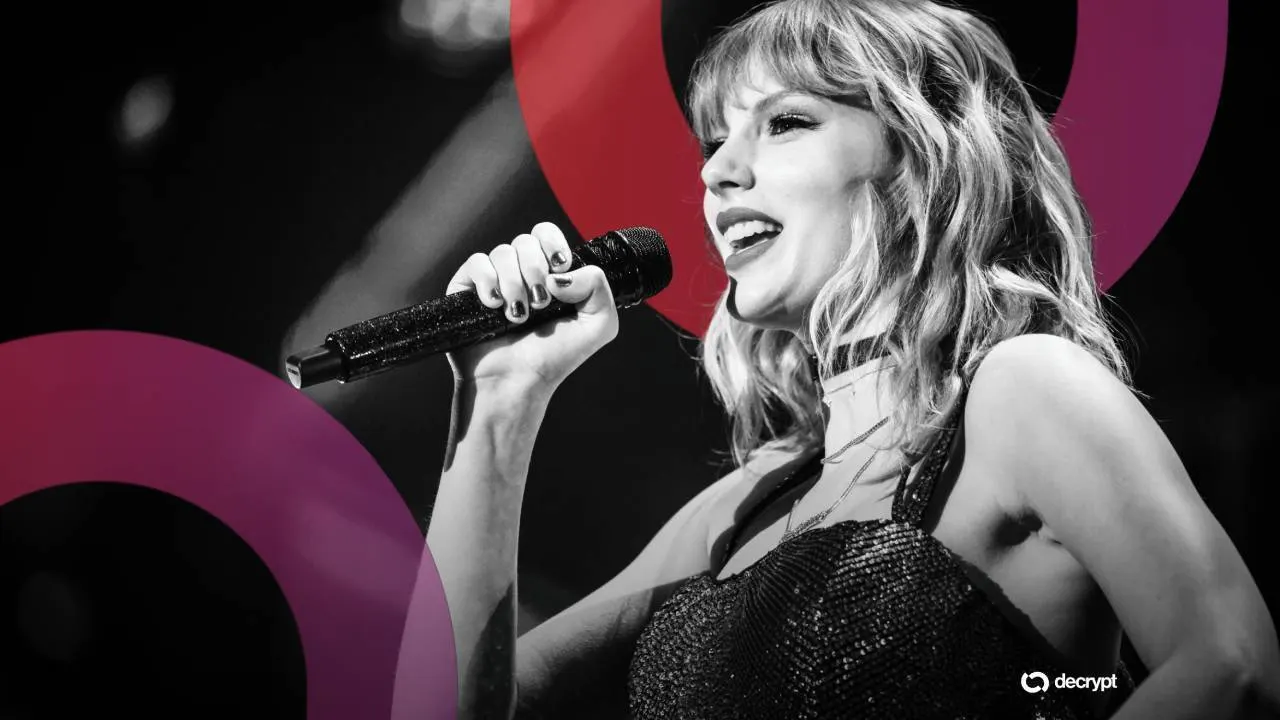
TAS Rights Management, Swift’s company, has submitted applications to the U.S. Patent and Trademark Office. These include sound trademarks for the phrases “Hey, it’s Taylor Swift” and “Hey, it’s Taylor,” along with a visual trademark for a specific image of her performing live. This action comes in response to a series of incidents where AI has been used to create fabricated content featuring the artist.
Kirk Sigmon, founding partner at KellDann Law, explained that while trademarks are conventionally used for distinctive sounds and visuals, their application here extends to protecting an individual’s name, image, and likeness (NIL) when associated with goods or services. The unique aspect, he noted, is the explicit intention to guard against AI misuse, particularly by entities falsely implying endorsements or creating misleading content.
The necessity of such measures has been underscored by recent events. In 2024, fabricated images were circulated suggesting Swift’s endorsement of a political campaign, prompting her public support for a rival candidate. More recently, in 2025, AI models generated non-consensual explicit imagery of Swift, despite company policies prohibiting such content. These instances highlight the potential for AI to be weaponized against public figures, eroding trust and personal autonomy.
However, Sigmon cautioned that enforcing these newly established rights online could present practical difficulties. The anonymous nature of many content creators generating infringing material may make identification and legal recourse challenging. This underscores a broader issue within the decentralized and pseudonymous nature of much of the internet, including certain Web3 ecosystems.
Swift’s initiative follows a similar legal precedent set by actor Matthew McConaughey, who secured trademark protections for his distinctive voice and signature phrases earlier this year. While trademark law has traditionally focused on commercial branding, these developments signal an evolving interpretation, driven by the need to address emerging technological threats.
The filings by Swift and McConaughey reflect a growing apprehension within the entertainment and creative industries regarding AI’s capacity to replicate individuals without consent. The distinctiveness of Swift’s persona, encompassing her voice, image, and extensive brand associations with music and merchandise, is expected to bolster her trademark applications. This proactive stance not only protects her personal brand but also contributes to a larger conversation about digital identity and intellectual property rights in the age of advanced AI and potential blockchain-secured identity solutions.
Long-Term Technological Impact on the Industry
The strategic use of trademark law by high-profile individuals like Taylor Swift to combat AI-generated deepfakes and impersonations has significant implications for the future of digital content, intellectual property, and the broader Web3 ecosystem. As AI technologies, particularly generative models and advanced voice synthesis, become more sophisticated and accessible, the lines between authentic and synthetic media blur. This trademark expansion into protecting an individual’s core identity markers – voice and likeness – suggests a potential shift towards using existing legal frameworks to govern the use of personal data in AI training and generation.
For the blockchain and Web3 space, this trend could accelerate the development and adoption of decentralized identity solutions and robust content provenance systems. Technologies that can immutably record the origin and authenticity of digital assets and personal data will become increasingly valuable. Imagine a future where a verifiable digital signature, perhaps managed on a Layer 2 solution for efficiency and scalability, confirms that an image or audio clip is indeed the genuine creation or endorsement of an individual, rather than an AI-generated fabrication. This would necessitate advanced cryptographic methods and potentially smart contract-driven licensing agreements, ensuring that AI models are trained and utilized ethically and with proper consent. The legal precedents being set now by figures like Swift may pave the way for new standards and protocols within the digital realm, influencing how AI interacts with personal branding and intellectual property rights across all digital platforms, including the metaverse and decentralized applications.
Learn more at : decrypt.co