

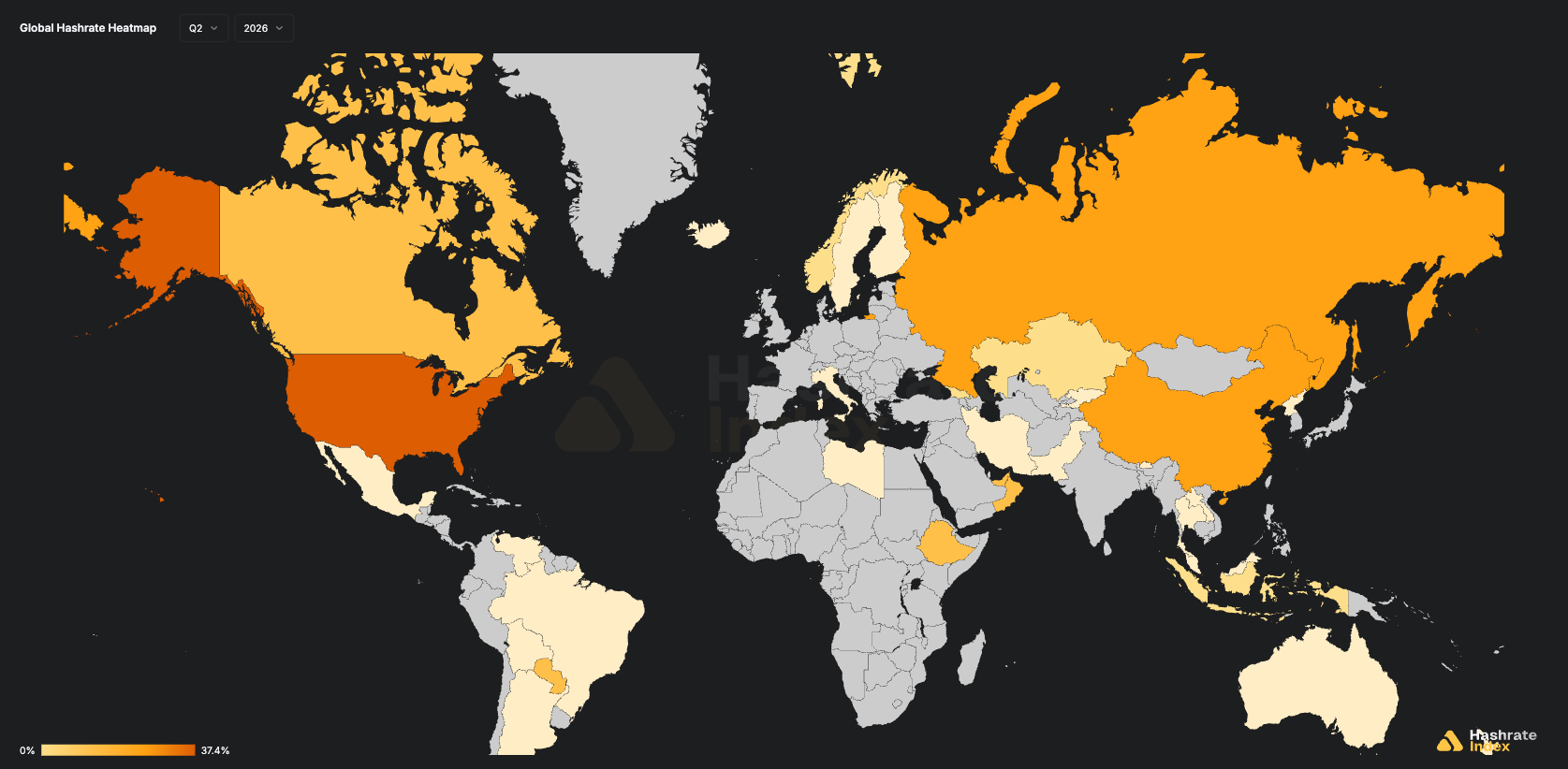
Paraguay’s position as a significant player in the global Bitcoin mining landscape is intrinsically tied to its abundant hydroelectric power generation. The nation leverages massive energy surpluses from its hydroelectric infrastructure, notably the Itaipu Dam, complemented by the Yacyreta and Acaray facilities. This extensive renewable energy capacity has positioned Paraguay to host approximately 4.3% of the global Bitcoin hashrate. However, recent shifts in energy costs and regulatory policies are bifurcating the market, impacting operations differently for industrial-scale farms versus smaller miners.
Key Takeaways
- Paraguay contributes around 4.3% of global hashrate, primarily due to its substantial hydroelectric power surplus.
- Electricity costs for miners have approximately doubled, significantly affecting profitability.
- New, stringent deposit requirements have been implemented by the national utility, ANDE.
- The market is dividing between large, established global mining firms and smaller operators who are increasingly exiting the market.
- The upcoming expiration of ANDE contracts in late 2027 is a critical factor for future mining operations in Paraguay.
- Emerging hydroelectric potential in Venezuela presents a future competitive landscape for mining operations in the region.
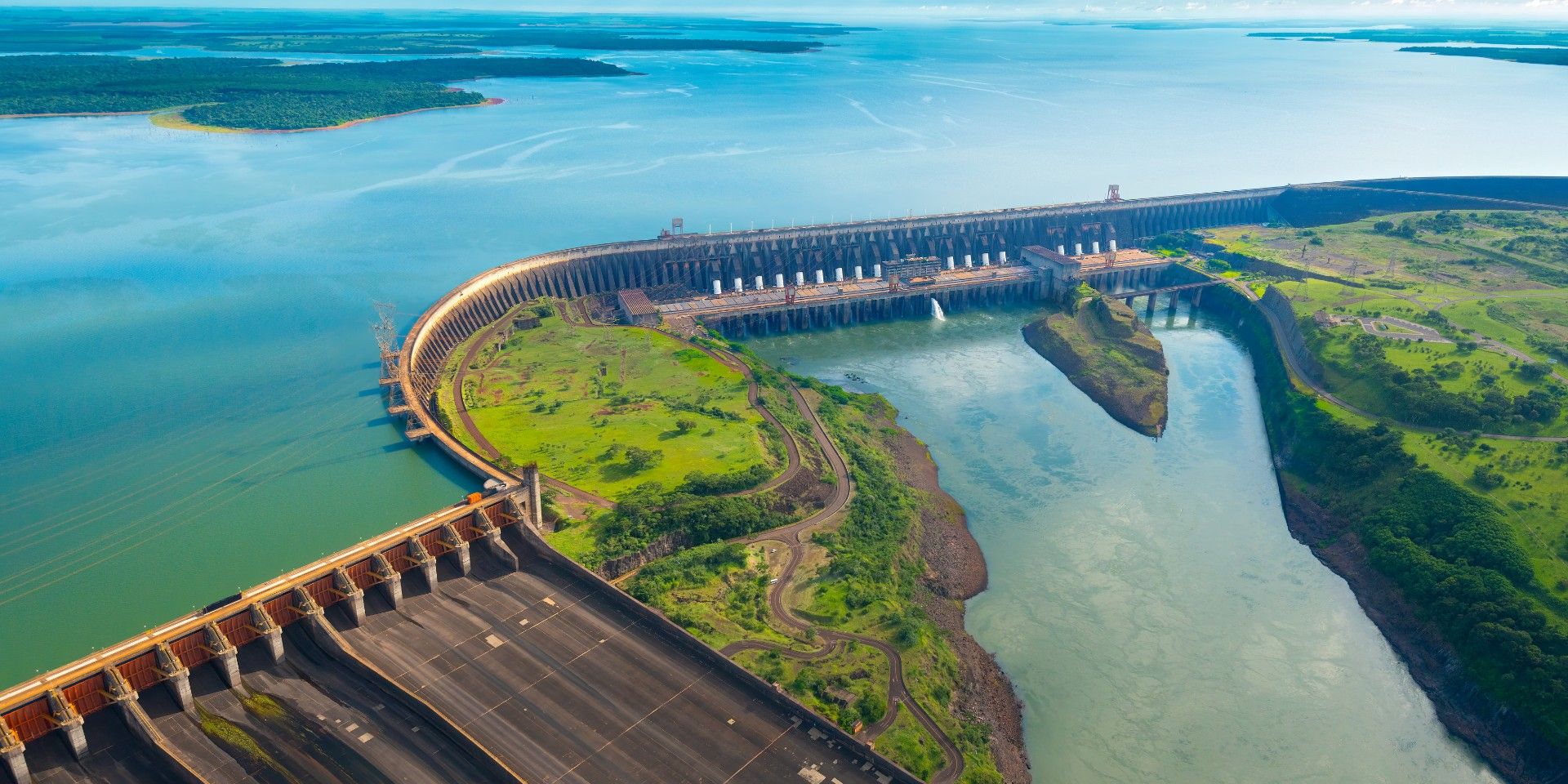
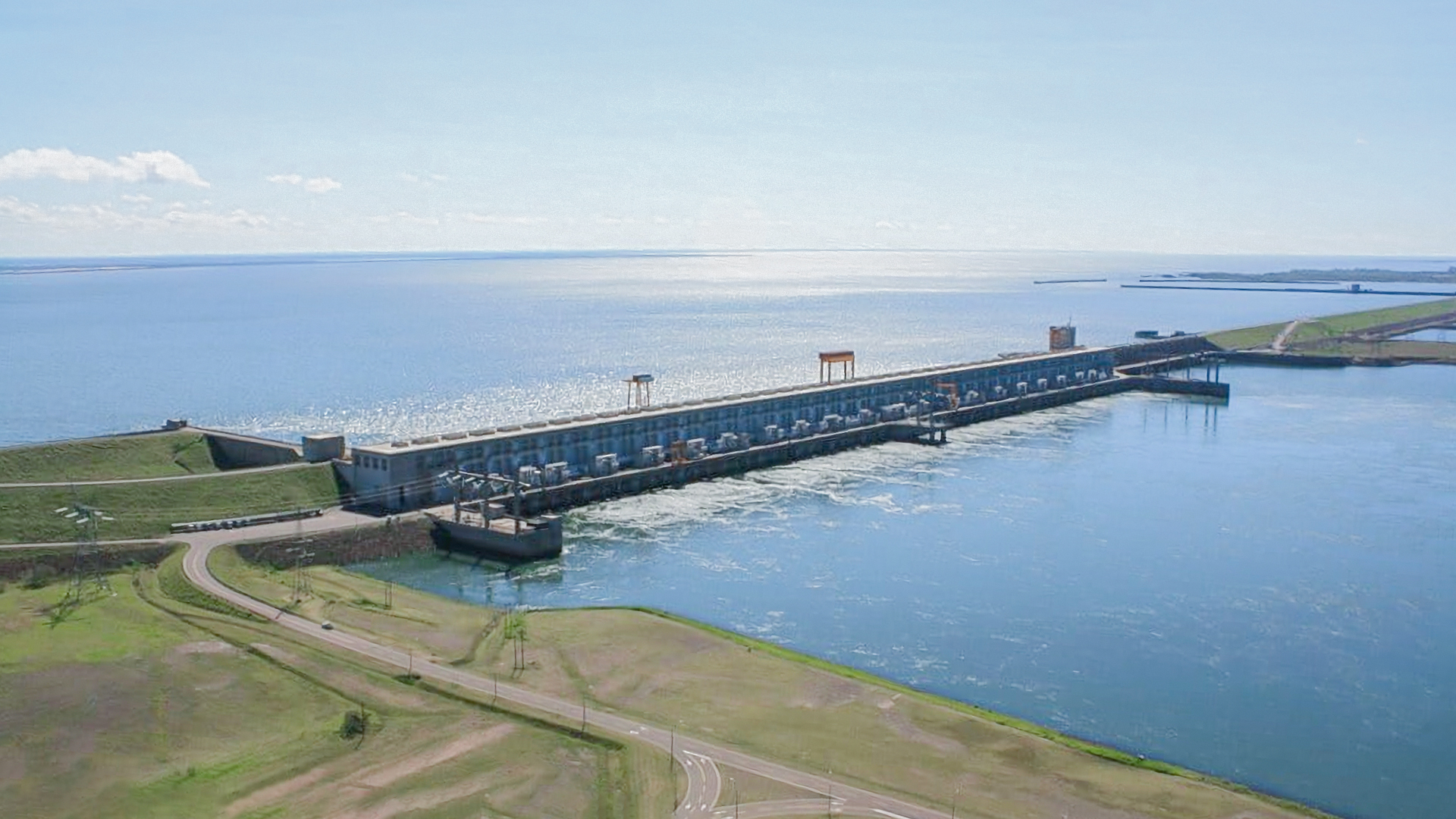
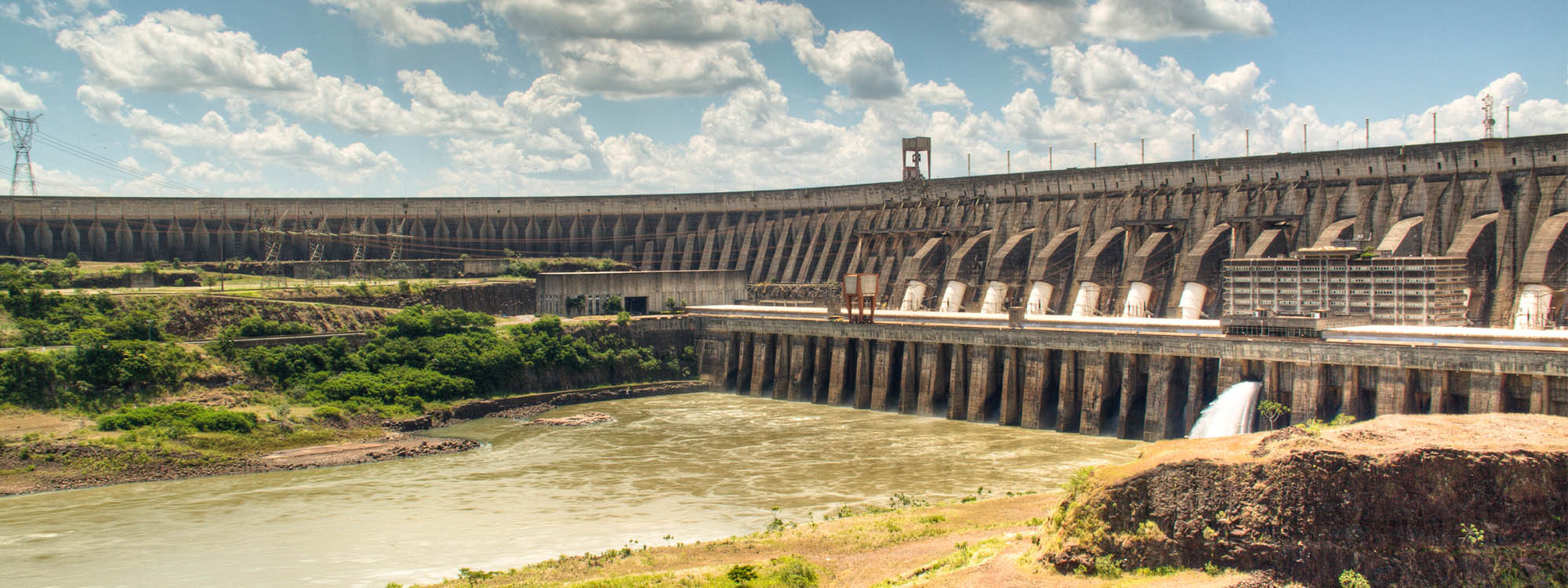
Paraguay’s electrical grid is powered entirely by renewable energy, with a generation matrix dominated by three major hydroelectric plants: Itaipu, Yacyreta, and Acaray. The Itaipu Dam alone possesses a total installed capacity of 14,000 MW, with Paraguay’s 50% treaty share (7,000 MW) substantially exceeding the country’s total electricity consumption of roughly 86%. Yacyreta adds another 1,600 MW, and the Acaray Dam contributes 210 MW of wholly domestically owned capacity. This consistent energy surplus has historically attracted Bitcoin miners seeking low-cost electricity.
During the 2021-2022 period, Paraguay offered highly competitive electricity rates for Bitcoin miners, often around $0.03 per kilowatt-hour (kWh). This attracted significant investment and led to Paraguay hosting approximately 43 EH/s in Q2 2026, representing a notable share of the global hashrate. However, the operational landscape has evolved due to regulatory adjustments by Administración Nacional de Electricidad (ANDE), Paraguay’s state-owned utility company.
The implementation of specific tariffs for intensive industrial consumers (GCIE) has altered the economic viability for many mining operations. Medium-tension electricity rates have increased from approximately $0.03/kWh to around $0.051/kWh, with recent figures nearing $0.06/kWh. Beyond the direct energy cost, miners face additional charges, including a network loss factor estimated at 8% due to grid inefficiencies, particularly in higher ambient temperatures. Furthermore, ANDE has introduced substantial upfront deposit requirements, equivalent to three months of energy costs, which can amount to millions of dollars for large-scale operations. These financial and regulatory hurdles have led to a market bifurcation, pushing out undercapitalized entities and favoring well-established global players with the capacity to invest in high-tension infrastructure or pursue alternative markets.
Impact on Network Security and Miner ROI
The evolving economics of Bitcoin mining in Paraguay directly influence network security and the Return on Investment (ROI) for miners. As energy costs rise and regulatory conditions tighten, the profitability margins for mining operations are squeezed. Smaller miners, often operating with older generation ASICs or less efficient GPU setups, find it increasingly difficult to remain profitable. This can lead to a reduction in their participation, potentially consolidating hashrate among larger, more efficient industrial farms. While this consolidation might appear to increase hashrate concentration, the overall increase in hashrate contributes to network security. However, for individual miners, the reduced profitability directly impacts ROI, potentially leading to decisions to divest or relocate operations to jurisdictions with more favorable energy costs and regulatory environments. The substantial upfront capital required for new deposit agreements further erects barriers to entry, particularly for new or smaller-scale miners seeking to establish operations.
Operator Perspectives
Alps: The European Pioneer That Has Navigated Several LATAM Markets
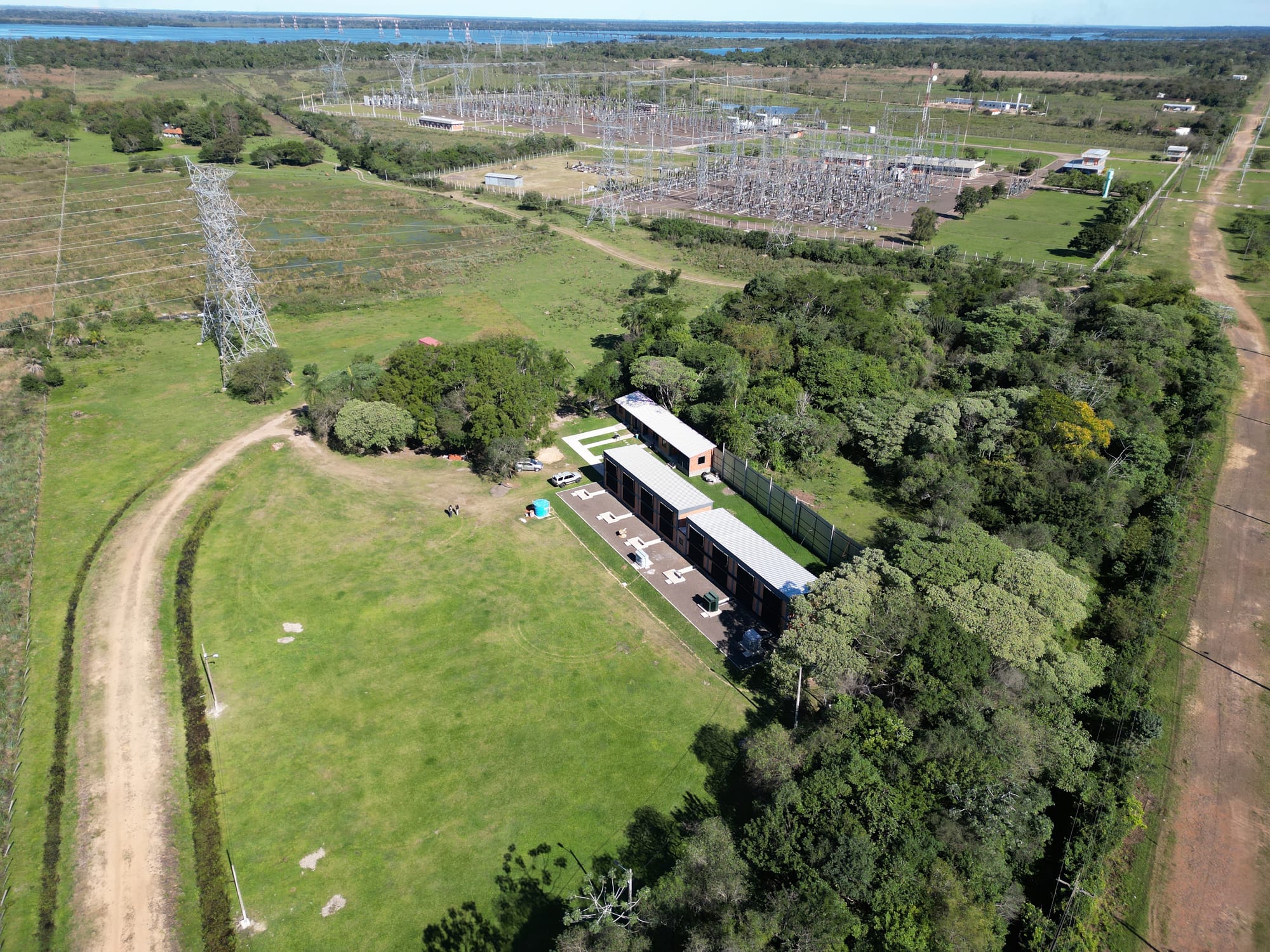
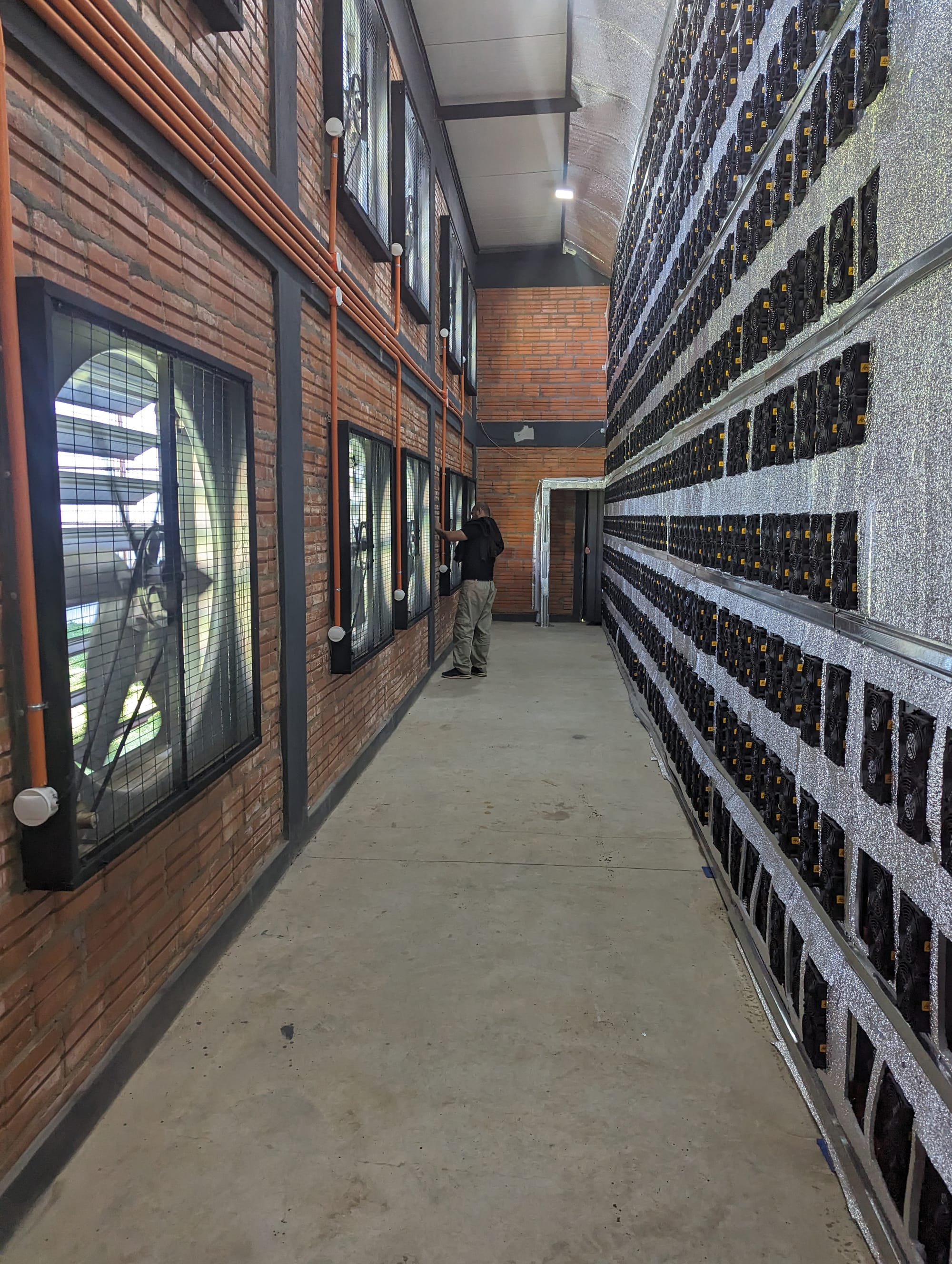
Alps, a European Bitcoin mining and data center operator, entered the Paraguayan market in 2021, investing significantly in infrastructure. The company scaled operations to 40 MW across multiple sites, building local partnerships and employment. However, the escalating operational costs and regulatory uncertainties, including the impending contract expiration in 2027, have prompted Alps to reassess its strategy. The firm is now exploring opportunities in Bolivia, drawn by government incentives, and is positioning itself in nascent markets like Venezuela, indicating a strategic pivot driven by the changing economic conditions in Paraguay.
Penguin Group: The Local Champion
Penguin Group, established in Paraguay since 2019, represents a model of deep local integration. The company initially focused on educational programs before deploying mining infrastructure. Their approach involved close collaboration with ANDE, positioning Bitcoin mining as a flexible load balancer for the grid and eventually securing a 100 MW power purchase agreement. Penguin’s significant Paraguayan ownership and management structure, coupled with its in-house talent development through Penguin Academy, provides a distinct operational advantage. Recognizing the evolving energy cost dynamics for Bitcoin mining, Penguin is strategically pivoting towards AI and High-Performance Computing (HPC), leveraging its existing infrastructure and the government’s new tariff structures for these sectors.
HIVE Digital Technologies: The Giant in the Room
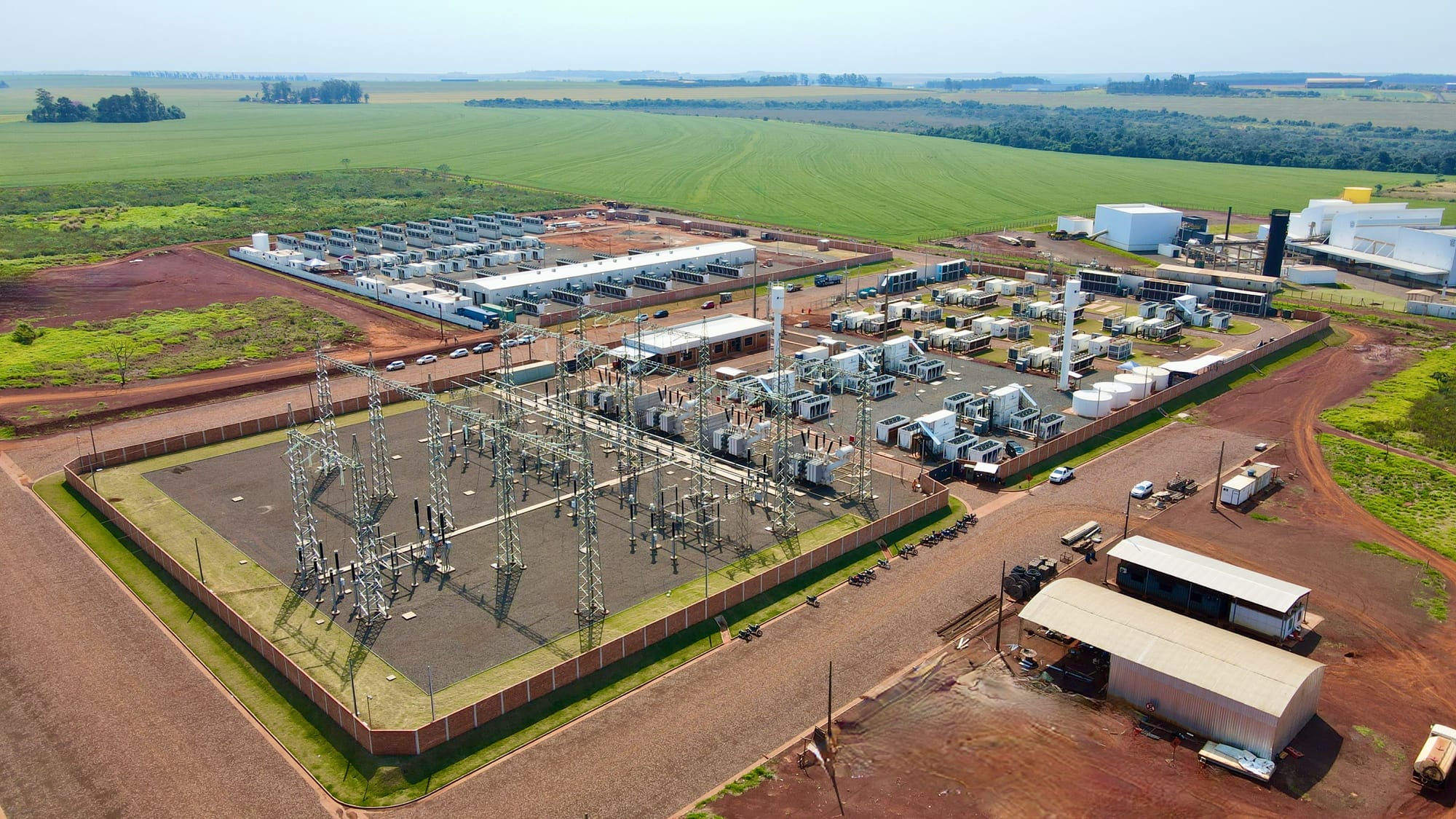
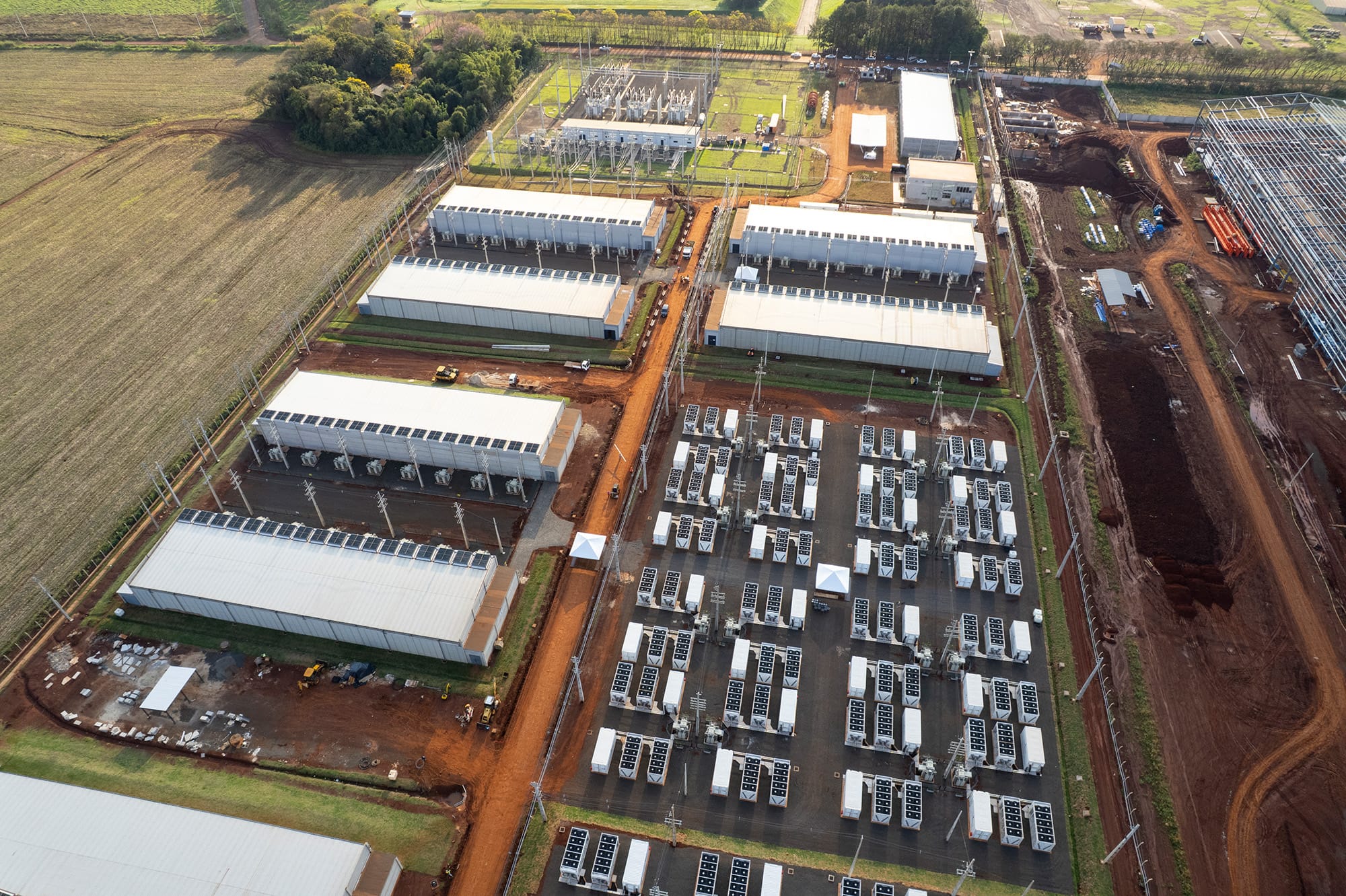
HIVE Digital Technologies, a prominent Bitcoin miner in Latin America, operates a substantial footprint in Paraguay, including the Yguazu and Valenzuela sites acquired from Bitfarms. As one of the largest operators in the region, HIVE’s large-scale operations and established infrastructure position it to potentially navigate the current regulatory environment, assuming favorable contract renewals. Their significant capacity represents a considerable portion of the total hashrate hosted within Paraguay.
Information compiled from materials : hashrateindex.com