

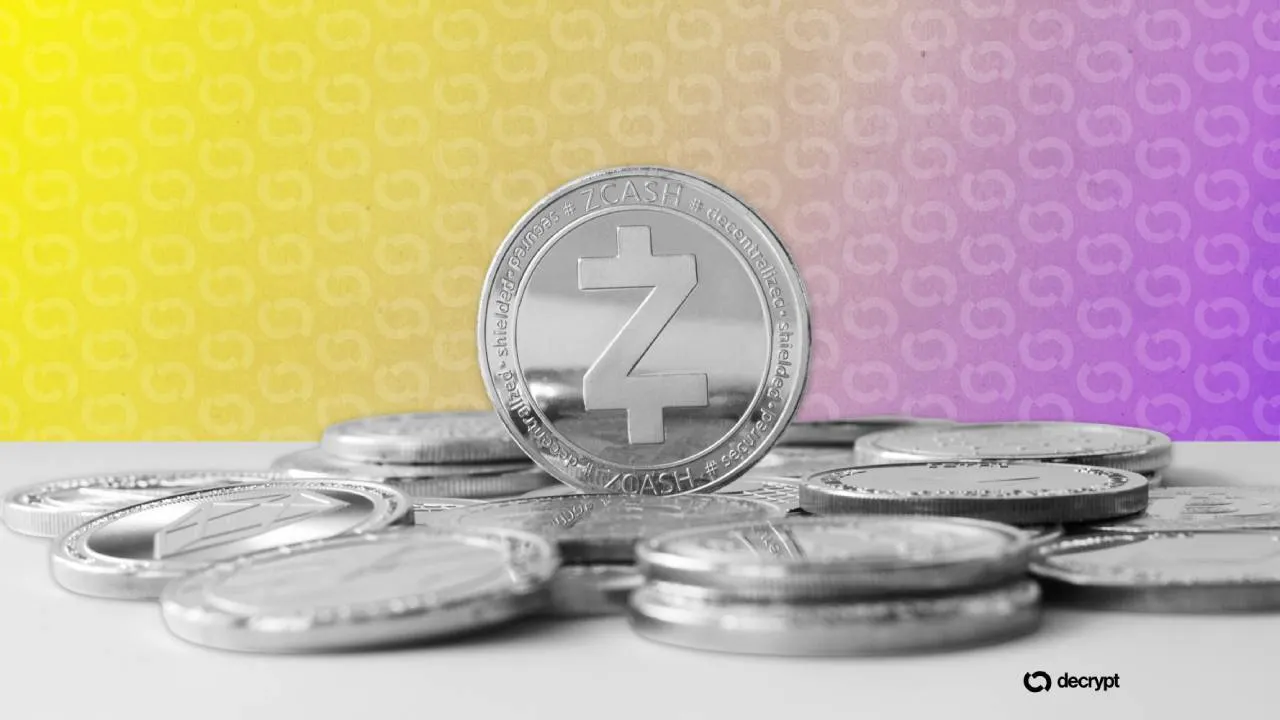
Zcash, a prominent privacy-focused cryptocurrency, is advancing its technological roadmap with a strategic focus on quantum resistance and enhanced scalability. The network is preparing to introduce quantum-recoverable wallets within the next month, a critical development designed to safeguard user assets against the future threat of quantum computing. This initiative is part of a broader strategy to achieve full post-quantum cryptographic status for the Zcash network within 12 to 18 months, positioning it as a leader in preparing for the potential disruption of current cryptographic standards.
Key Takeaways
- Zcash is set to launch quantum-recoverable wallets in under a month, bolstering its defenses against advanced quantum computing threats.
- The protocol aims for complete post-quantum cryptographic readiness within 12-18 months, a proactive move toward future-proofing the network.
- Zcash is also targeting transaction throughput comparable to major payment networks like Mastercard and Visa within the same timeframe.
- Recent integration with Near Intents has facilitated cross-chain swaps, contributing to a significant increase in the utilization of Zcash’s shielded transactions.
- Institutional interest, notably from Multicoin Capital, has recently fueled a notable surge in ZEC’s market performance.
Beyond quantum resilience, Zcash is also addressing scalability challenges. The network aims to achieve transaction throughput on par with established payment giants like Mastercard and Visa within the next year to 18 months. This ambitious goal signifies a commitment to making Zcash a viable and efficient medium for everyday private transactions. In contrast to Bitcoin, which is viewed by some as fundamentally limited for private peer-to-peer payments, Zcash is striving for a higher standard of both privacy and performance.
The privacy coin has experienced a significant market uptick recently, with its native token, ZEC, seeing a surge of over 73% in the past 30 days. This growth is largely attributed to increased institutional attention, following Multicoin Capital’s announcement of a substantial investment in Zcash. This endorsement underscores a growing recognition of Zcash’s cypherpunk ideals and its potential within the evolving cryptocurrency landscape.
Recent technical advancements have also contributed to Zcash’s momentum. The integration of Near Intents with Electric Coin Company’s mobile wallet, implemented last year, allows for direct cross-chain swaps from assets such as Bitcoin, Solana, and USDC into shielded ZEC. This feature has seen substantial usage, with an estimated $600-$700 million flowing through this cross-chain route, primarily involving USD and USDC. This enhanced accessibility is driving adoption of Zcash’s core privacy features, evidenced by the shielded pool now holding 30% of circulating ZEC, an all-time high.
The Long-Term Impact of Quantum-Resistant Blockchains
Zcash’s proactive stance on quantum resistance signifies a crucial evolutionary step for blockchain technology. The impending threat of “Q-Day,” when quantum computers are predicted to possess the power to break current cryptographic algorithms, poses an existential risk to many existing digital assets. By developing quantum-recoverable wallets and aiming for full post-quantum cryptographic status, Zcash is not only securing its own future but also setting a precedent for the broader industry. This transition to quantum-resistant cryptography will likely involve significant protocol upgrades and the adoption of new cryptographic primitives, such as lattice-based cryptography. Blockchains that successfully implement these measures will gain a substantial competitive advantage, offering a secure and reliable foundation for decentralized applications and financial services in the post-quantum era. This innovation is intrinsically linked to advancements in Layer 2 scaling solutions and the broader development of Web3 infrastructure, as increased transaction capacity and enhanced security are paramount for widespread adoption.
The race to achieve quantum resistance is intensifying across the blockchain ecosystem. Reports suggest that “Q-Day” could arrive as early as 2030, with researchers already demonstrating the ability to break certain cryptographic keys using quantum hardware. Major blockchains, including Solana and Aptos, are actively working to harden their networks against these future threats. Exchanges like Coinbase have also highlighted the particular quantum risks faced by proof-of-stake networks such as Ethereum and Solana. Zcash’s commitment to addressing this challenge head-on, alongside its focus on scalability and user experience, positions it as a potentially resilient and innovative player in the next generation of blockchain technology.
Source: : decrypt.co