

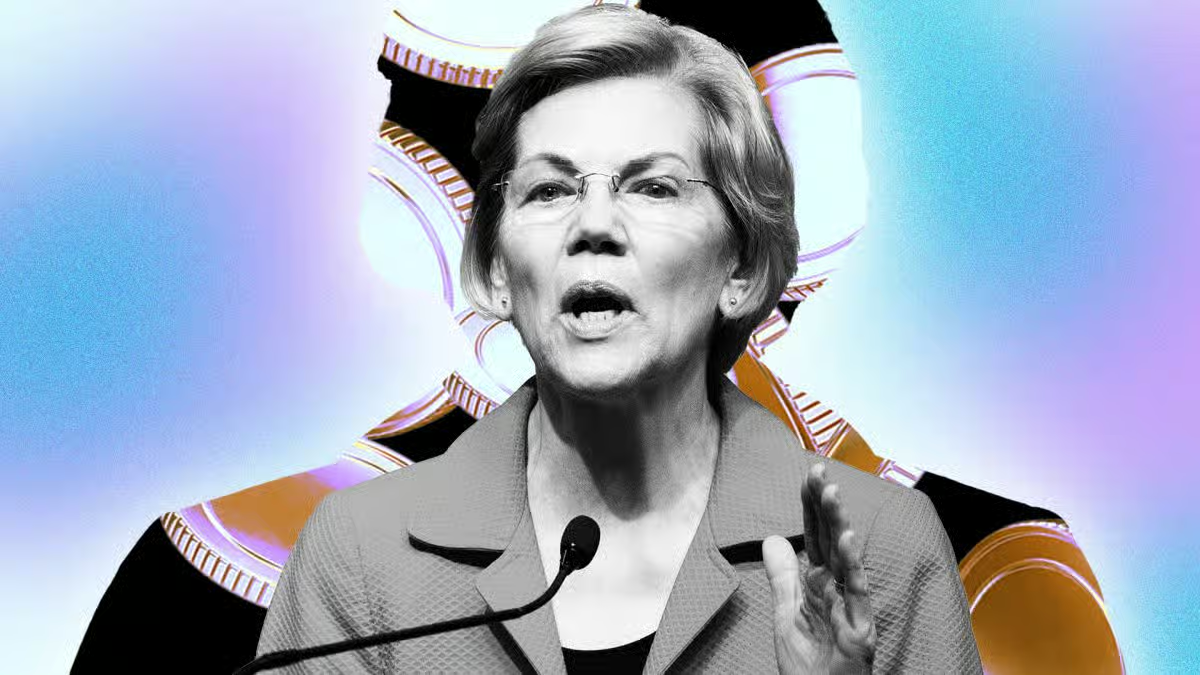
Senator Elizabeth Warren has formally requested detailed information from Meta Platforms regarding its reported initiatives to integrate stablecoins across its extensive network of social media platforms. The inquiry, directed at Meta CEO Mark Zuckerberg, signals a heightened focus by U.S. lawmakers on the intersection of major technology firms and digital asset services, particularly concerning potential impacts on financial stability and consumer privacy.
Key Takeaways
- Senator Elizabeth Warren has queried Meta CEO Mark Zuckerberg about the company’s reported plans to trial and potentially integrate a third-party stablecoin into its platforms by the second half of 2026.
- Concerns have been raised regarding the implications for financial stability, competition, and user privacy, referencing Meta’s prior attempt with the Libra project.
- The Senator is seeking specific disclosures on the trial’s structure, risk management protocols, commercial agreements with stablecoin issuers, and future product roadmaps, including MetaPay wallet functionalities.
- The inquiry underscores a broader regulatory scrutiny of stablecoin adoption by large technology companies, which could set precedents for market oversight.
The letter from Senator Warren, who serves as the Ranking Member of the Senate Banking Committee, highlights concerns that Meta’s involvement with stablecoins could pose risks to the integrity of payment systems and broader financial stability. This action follows recent reports suggesting Meta is currently conducting a limited test of a third-party stablecoin, with plans for a wider rollout anticipated next year.
This development marks a second engagement by Meta with stablecoin technology, recalling the company’s ambitious but ultimately unsuccessful “Libra” project launched in 2019. That initiative faced significant bipartisan opposition from lawmakers, regulators, and international financial bodies due to perceived risks related to financial oversight, data privacy, and market competition. Senator Warren reiterated these concerns, suggesting that a fully realized Libra could have allowed Meta to leverage transaction data for its advertising business and effectively operate as a private central bank, potentially exposing taxpayers to risks in the event of a stablecoin run.
While Meta had previously informed lawmakers in June 2025 that it did not intend to issue its own stablecoin, Senator Warren pointed out that the company has not disclosed details regarding its commercial relationships with third-party stablecoin issuers or potential enhancements to its MetaPay digital wallet. The Senator emphasized the critical need for transparency from Meta concerning its stablecoin-related strategies, citing the company’s past challenges in managing existing products and services safely.
Furthermore, Warren expressed apprehension over Meta’s alleged prioritization of profit over user privacy and pointed to a history of anticompetitive practices. She cautioned that any expansion by Meta into the payments and financial services sector should be approached with significant skepticism.
Regulatory Precedent and Oversight
Senator Warren’s detailed questionnaire to Mark Zuckerberg seeks to obtain specific information by May 20, aiming to clarify Meta’s stablecoin strategy. Key areas of inquiry include potential modifications to the MetaPay wallet to accommodate stablecoin holdings, a list of considered and selected third-party stablecoins, and the risk management frameworks in place for such integrations, especially considering the scale of Meta’s user base. Questions also probe potential profit-sharing or transaction-based revenue models with stablecoin partners, and whether Meta intends to favor specific stablecoins over alternative payment methods. Additionally, Warren is seeking assurances regarding data privacy, illicit finance controls, and confirmation that Meta will not pursue the issuance of its own private currency.
This legislative scrutiny occurs amid a significant global rise in stablecoin utility. A recent study indicated that a majority of cryptocurrency users have held stablecoins in the past year, with these assets comprising a substantial portion of their overall crypto holdings. The total supply of stablecoins has surpassed $303 billion, with major players like Tether (USDT) and Circle (USDC) holding significant market shares. Industry observers suggest that broader adoption of stablecoins by large tech firms, including Meta and DoorDash (which is testing stablecoin payouts for its contractors), could significantly increase the total stablecoin supply in the coming years. Such adoption is seen by some as a catalyst for the maturation of the digital asset market, offering simplified global micropayment solutions that bypass traditional banking infrastructure.
Based on materials from : www.theblock.co