

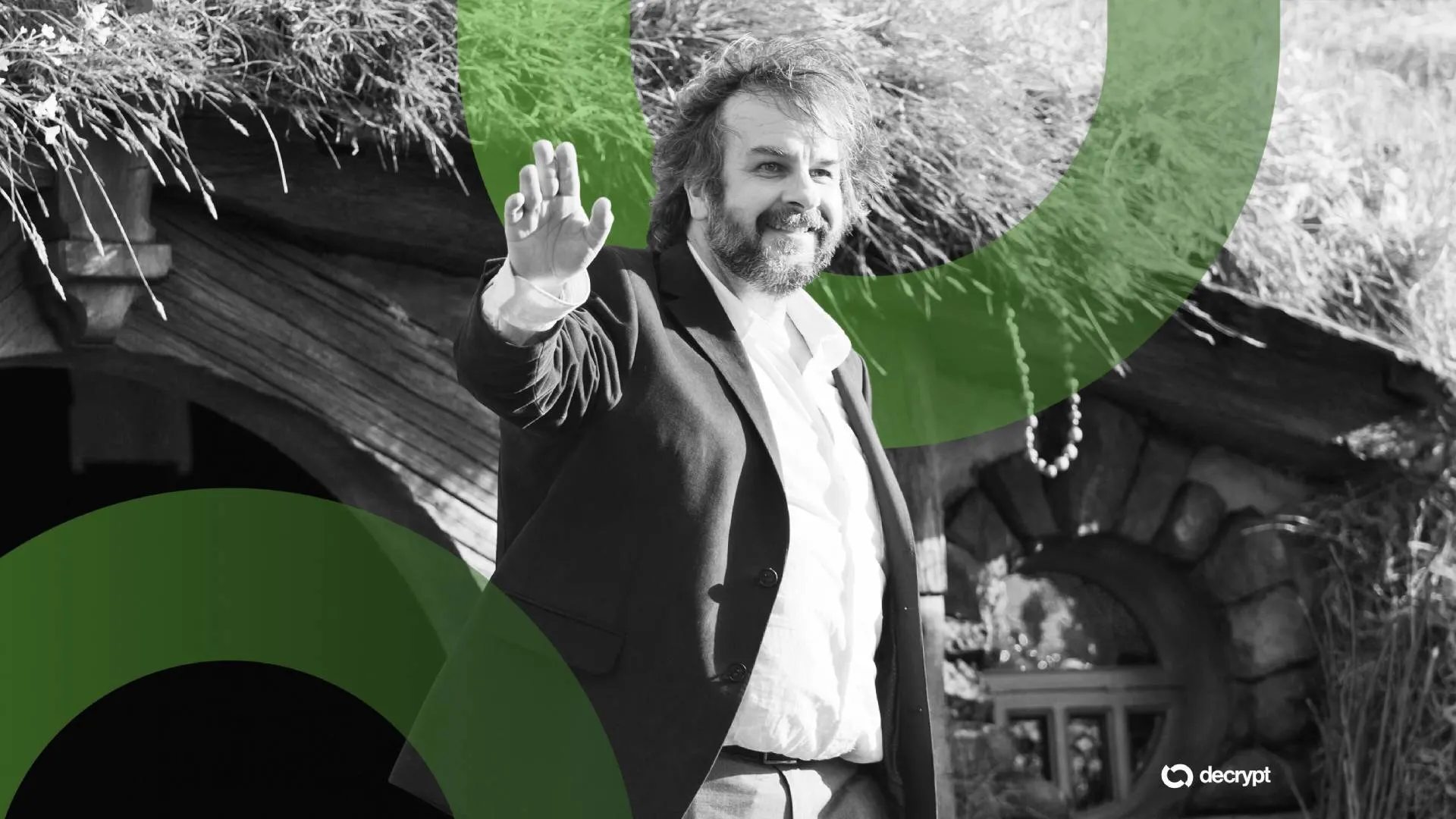
Discussions around the integration of artificial intelligence into filmmaking, particularly concerning performance-capture acting and digital likeness, have become a prominent topic within the industry. Director Peter Jackson, recognized for his work on “The Lord of the Rings,” shared his perspective during a masterclass at the Cannes Film Festival, suggesting that AI should be viewed as another tool in the filmmaker’s arsenal, akin to existing special effects.
Key Takeaways
- Peter Jackson views AI in filmmaking as an extension of current special effects technology.
- Concerns exist that widespread AI adoption may diminish recognition for performance-capture actors.
- Jackson emphasized the importance of proper licensing and consent when using digital likenesses.
- Actress Demi Moore advocates for adaptation and collaboration with AI rather than resistance.
- The Academy of Motion Picture Arts and Sciences has established guidelines limiting AI’s eligibility for awards.
Jackson articulated that the primary ethical considerations surrounding AI in cinema should not be about the technology itself, but rather about its application, specifically concerning the unauthorized use and appropriation of actors’ digital personas. He drew a parallel to digital recreations, stating that issues arise when performers lose control over their likeness and identity, rather than the existence of the technology itself. “If you’re doing an AI duplicate of somebody, like Indiana Jones or anyone else—as long as you’ve licensed the rights off the person who you’re showing, I don’t see the issue,” Jackson noted, highlighting that the core problem lies in the “stealing and usurping” of individuals’ images.
Furthermore, Jackson expressed apprehension that the current discourse surrounding AI could negatively impact the acknowledgment of performance-capture artists, citing the work of Andy Serkis as an example of purely human-driven performance that could be unfairly categorized. This sentiment follows recent actions by the Academy of Motion Picture Arts and Sciences, which has introduced rules stipulating that AI-generated content is ineligible for Oscar consideration unless human creativity remains central to the work.
Echoing the evolving industry dialogue, actress Demi Moore, also present at Cannes, suggested that Hollywood should focus on integrating AI rather than attempting to prevent its advancement. “AI is here. And so to fight it is to fight something that is a battle that we will lose,” Moore stated, proposing that exploring collaborative approaches with AI represents a more productive path forward. While acknowledging that the industry might not yet be adequately prepared for AI-related risks, Moore maintained that the essence of artistic expression, rooted in human emotion and creativity, remains irreplaceable by technology. “The truth is there really isn’t anything to fear, because what it can never replace is what true art comes from,” she added. “It comes from the soul.”
Long-Term Technological Impact on the Industry
The ongoing discourse between figures like Peter Jackson and Demi Moore reflects a critical juncture for the film industry as it grapples with the profound implications of AI. From a blockchain and Web3 perspective, this debate highlights the increasing need for robust digital identity and content provenance solutions. Decentralized technologies could offer frameworks for managing digital likeness rights, ensuring that actors retain ownership and control over their performances and digital assets, much like how smart contracts on a blockchain can automate royalty distributions or usage rights. The integration of AI, therefore, does not merely represent an evolution in visual effects but a fundamental challenge to existing models of creative ownership and compensation. As AI tools become more sophisticated, the demand for transparent, verifiable, and secure systems for managing intellectual property will grow, potentially driving further innovation in Layer 2 solutions for scalability and on-chain identity verification. This could lead to new forms of digital collectibles for actors, verifiable credentials for AI-assisted performances, and decentralized autonomous organizations (DAOs) governing the use of AI in creative works. The future of filmmaking may well be a hybrid model, where human artistry is augmented by AI, underpinned by blockchain technology that secures the integrity and ownership of all contributions.
Based on materials from : decrypt.co