

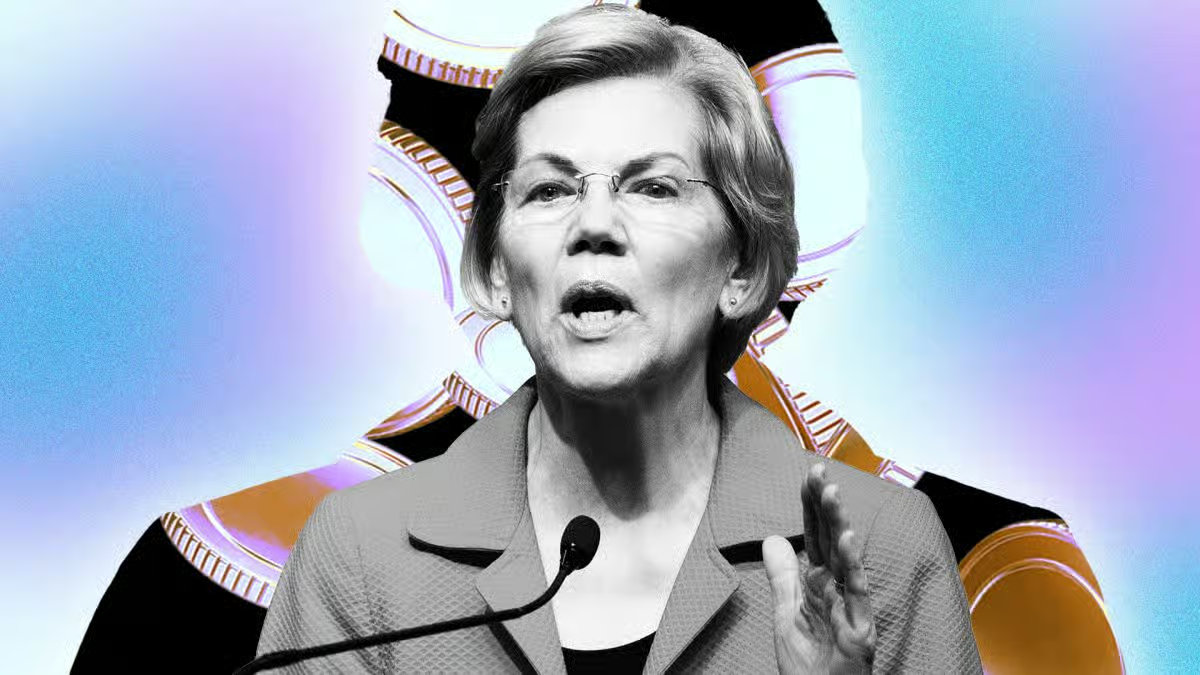
United States Senators Bernie Sanders and Elizabeth Warren, alongside Representative Robert “Bobby” Scott, have formally urged the Department of Labor (DOL) to withdraw a proposed regulation that would permit the inclusion of alternative assets, including digital assets, within 401(k) retirement plans. In a joint letter to Acting Secretary of Labor Keith Sonderling, the lawmakers articulated significant concerns regarding the potential risks to retirement savers.
Key Takeaways
- A proposed rule from the Department of Labor, unveiled in March, aims to outline procedures for 401(k) plan managers considering alternative investments like private equity, real estate, and digital assets.
- Senators Warren and Sanders, along with Representative Scott, contend that the rule, if enacted, would introduce undue risk to individuals’ retirement savings.
- The senators cite the inherent volatility of digital assets and the prevalence of crypto-related fraud as major reasons for their opposition.
- Concerns about potential conflicts of interest within the administration are also highlighted, suggesting the rule could benefit politically connected individuals at the expense of ordinary workers.
The senators argue that the proposed rule, which seeks to establish a “safe harbor” for fiduciaries considering alternative investments, would effectively dilute long-standing investor protections. They believe this could encourage the adoption of investments that are perceived as more complex, volatile, and costly, thereby jeopardizing retirement security for many Americans. This initiative follows an executive order from former President Donald Trump directing the DOL to facilitate the inclusion of alternative assets in retirement plans.
The lawmakers’ critique extends to several categories of alternative assets, with a particular focus on the speculative nature of digital assets. They referenced the significant price fluctuations of cryptocurrencies, noting the substantial decline from peak values, and pointed to FBI reports indicating a record high in losses due to crypto-linked fraud. Furthermore, the letter alludes to alleged conflicts of interest, referencing reports that suggested financial gains for certain individuals connected to the previous administration through the launch of digital asset projects.
The core of the senators’ argument posits that the DOL’s proposed regulation, under the current circumstances, carries the potential for the administration to profit indirectly from these investments, to the detriment of everyday workers and retirees. This raises questions about the integrity and impartiality of regulatory proposals when potential conflicts of interest are perceived to be present.
Potential Regulatory Precedent
The pushback from influential senators against the proposed inclusion of digital assets in 401(k) plans signifies a critical juncture in the ongoing debate surrounding cryptocurrency regulation in the United States. Should the Department of Labor heed these warnings and withdraw or significantly alter the proposed rule, it could establish a precedent that favors a more cautious approach to integrating volatile digital assets into traditional retirement savings vehicles. This would likely embolden regulatory bodies to impose stricter oversight on crypto-related financial products offered within the U.S. retirement system. Conversely, if the DOL proceeds with the rule despite the objections, it could signal a growing acceptance of digital assets within mainstream finance, albeit with heightened compliance requirements. The outcome of this specific proposal will be closely watched as it may influence how other regulatory agencies, both domestic and international, approach the complex intersection of digital assets and consumer financial protection, particularly within the context of established frameworks like Europe’s MiCA (Markets in Crypto-Assets) regulation, which seeks to create a harmonized approach to crypto-asset markets across the EU.
Based on materials from : www.theblock.co