

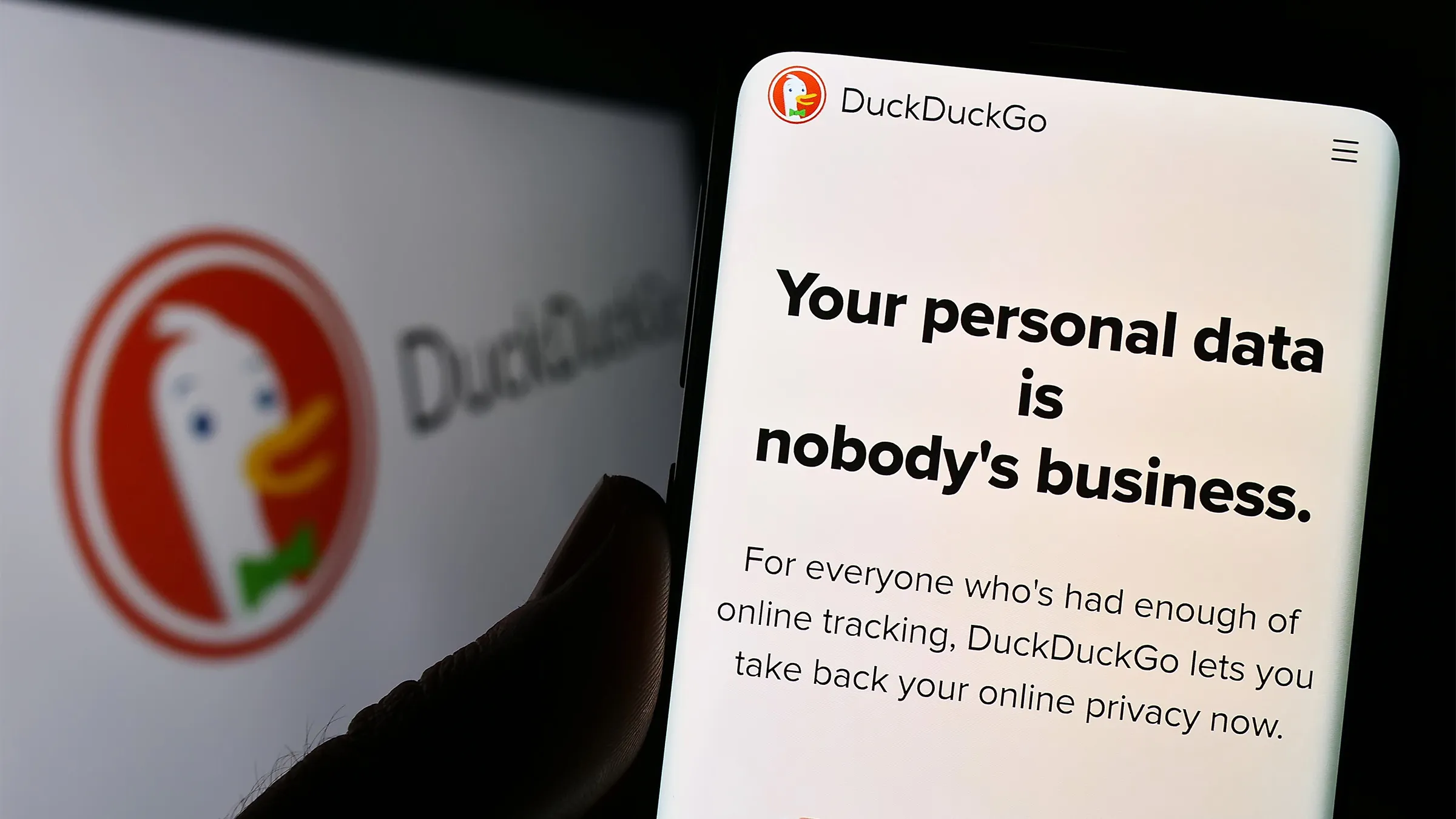
 The digital landscape is witnessing a subtle yet significant shift as search engines grapple with the integration of artificial intelligence. In response to a perceived “force-feeding” of AI by major players like Google, DuckDuckGo has launched tools empowering users to reclaim a traditional, AI-free internet experience. This move highlights a growing user demand for control over AI features, mirroring broader trends in blockchain and Web3 development where user agency and privacy are paramount.
Key Takeaways
- DuckDuckGo’s AI-free search subdomain, noai.duckduckgo.com, saw a threefold increase in visits following Google’s AI search overhaul announcement.
- The company has released No-AI Search extensions for Chrome and Firefox, allowing users to easily set an AI-free default search experience.
- U.S. app installations for DuckDuckGo have reached record numbers, indicating a strong user interest in privacy-focused and AI-averse solutions.
- This trend suggests a market segment eager for “barebones” digital tools, valuing simplicity and user control over integrated AI functionalities.
DuckDuckGo’s approach, while seemingly anti-AI, is rooted in a philosophy of user choice. The company, which has also been developing its own AI chatbot, Duck.ai, is offering its “No-AI Search” extensions as a clear opt-out mechanism. This allows users to access search results without AI-generated summaries or image predictions, reverting to a more familiar interface. The surge in traffic to their AI-free subdomain and subsequent extension releases underscores a growing user fatigue with intrusive AI implementations, a sentiment that resonates within the decentralized web community.
Since Google revealed its plans for an AI search overhaul, visits to our “No AI” search page have tripled…and they’re still rising!
Want to make it your default on Chrome or Firefox? Grab our No-AI extensions and banish AI-assisted answers, chat, and AI images.
— DuckDuckGo (@DuckDuckGo) May 29, 2026
The timing of DuckDuckGo’s initiative directly follows Google’s announcement of significant changes to its search engine, aiming to incorporate AI-driven responses more prominently. Many users expressed dissatisfaction with this shift, feeling it diminished the traditional search experience. DuckDuckGo CEO Gabriel Weinberg articulated this sentiment, stating that the company aims to be a platform where users decide their level of AI interaction. This emphasis on user control and optionality mirrors the ethos of many Layer 2 scaling solutions and Web3 platforms that prioritize decentralization and user sovereignty. This development is not isolated. Brave has introduced Brave Origin, a stripped-down browser version that removes AI and crypto features for a one-time fee, and Mozilla is planning a similar toggle in Firefox’s upcoming redesign. These moves collectively signal a broader market trend: while AI integration is advancing rapidly, a substantial user base is seeking alternatives that prioritize transparency, privacy, and granular control over technology.
Long-Term Technological Impact: The Rise of User-Centric AI Frameworks
The growing demand for AI-optional services could profoundly influence the trajectory of AI development within the broader tech industry, including blockchain and Web3. Instead of a monolithic approach where AI is deeply embedded and often mandatory, we may see the rise of more modular and user-centric AI frameworks. This would align with the principles of decentralized technologies, where users have greater autonomy over their data and digital interactions. For blockchain innovation, this could mean a renewed focus on building AI tools that operate on-chain or in conjunction with decentralized networks, where transparency and user consent are foundational. Layer 2 solutions might evolve to offer AI processing capabilities that are opt-in and verifiable, enhancing scalability without compromising user privacy. In Web3 development, the emphasis on user control could drive the creation of AI agents and assistants that are fully owned and managed by the user, rather than being controlled by a central entity. This shift could foster a more ethical and sustainable integration of AI, ensuring that technological advancements serve user interests and empower individuals, rather than dictate their online experiences. The success of initiatives like DuckDuckGo’s No-AI Search demonstrates a clear market appetite for this user-first approach, suggesting that future technological paradigms will increasingly hinge on providing choice and respecting user agency.
Source: : decrypt.co