

The landscape of Bitcoin mining has evolved significantly from its origins as a hobbyist pursuit run on consumer-grade hardware to a highly industrialized sector. Initially powered by CPUs and later by GPUs, the network’s increasing difficulty and the demand for higher computational throughput led to the dominance of Application-Specific Integrated Circuits (ASICs) and the consolidation of mining operations into large-scale facilities optimizing for low energy costs. While economically unviable for most individuals for years, a dedicated segment of home miners has persisted, driven by principles beyond mere profit, such as ideological commitment, educational pursuit, and a desire to maintain network decentralization. This niche is experiencing a resurgence, supported by a growing open-source community and new hardware developments.
Key Takeaways
- The Bitcoin mining sector has transitioned from home-based CPU/GPU operations to industrial ASIC farms.
- A resurgence of interest in home mining is supported by new hardware and open-source projects.
- Recent hardware innovations are targeting the home mining segment, offering more accessible solutions.
- The Jingle Miner BTC Hashcard introduces a GPU form factor for home mining, incorporating industrial ASIC chips and advanced software features.
- This development presents both opportunities and challenges for small-scale miners versus large industrial operations.
Hardware manufacturers are increasingly catering to this revived home mining segment. Companies like Canaan have introduced models such as the Nano 3, Nano 3S, and Mini 3, which bring ASIC mining capabilities into desktop and smaller form factors. Now, the Jingle Miner BTC Hashcard is emerging as a novel entrant, approaching the home mining market from a different angle.
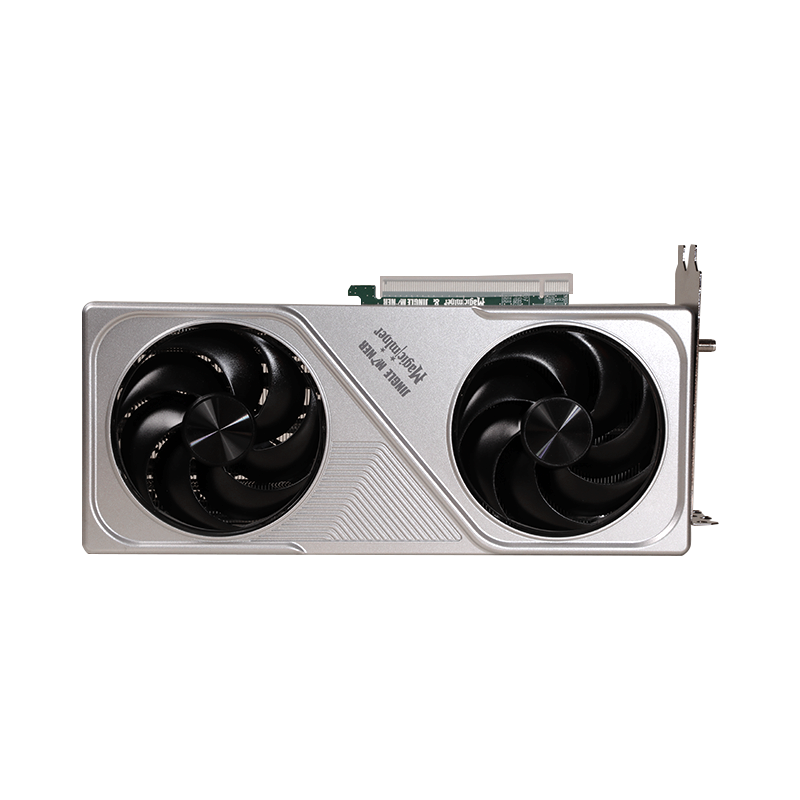
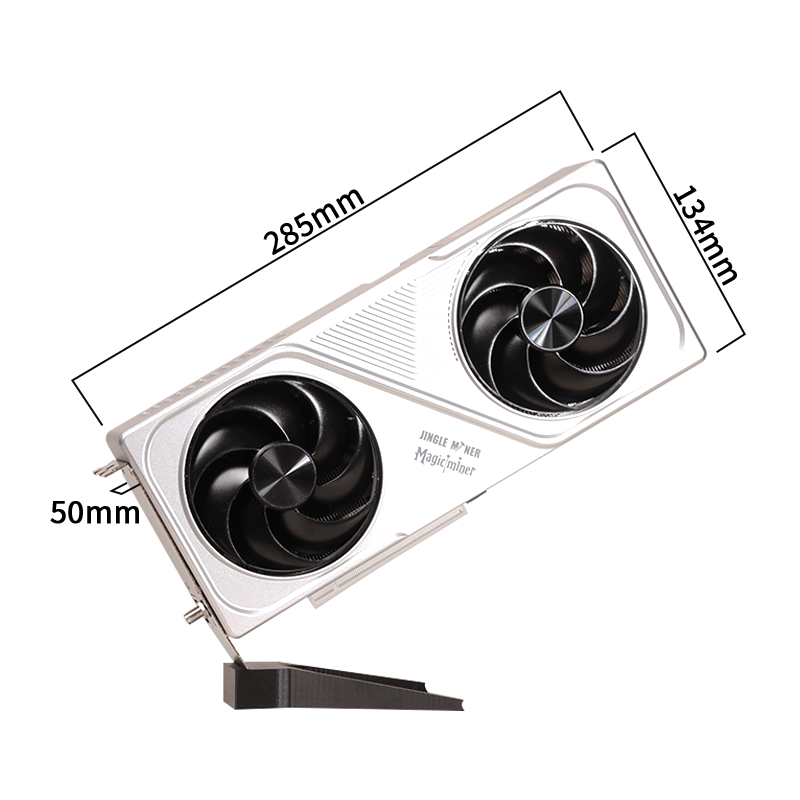
The Jingle Miner BTC Hashcard boasts a hash rate of 12.5 TH/s and consumes approximately 200W, resulting in an efficiency rating of 16 J/TH. While these specifications are competitive, its unique selling proposition lies in its GPU form factor. Unlike other home miners that adopt an appliance-like design, the Hashcard deliberately emulates the aesthetic of a graphics card, harkening back to the GPU mining era of the early 2010s. Internally, it houses nine BM1370 chips, the same silicon found in Bitmain’s industrial Antminer S21 Pro ASIC. Furthermore, the Hashcard is bundled with sophisticated software tools, offering home miners a glimpse into the operational complexities of enterprise mining, including firmware optimization, dynamic fleet management, and automated power price optimization strategies.
Impact on Network Security and Miner Profitability
The re-emergence of capable home mining hardware, exemplified by the Jingle Miner BTC Hashcard, presents a multifaceted impact on the Bitcoin network. For industrial mining farms, the primary concern is increased competition for block rewards and potentially higher network difficulty. These large operations are built on economies of scale, leveraging efficient energy procurement and state-of-the-art ASICs. The introduction of powerful, yet compact, home mining units could lead to a more distributed hash rate, which, in theory, enhances network decentralization and security. However, the economic viability for small-scale miners remains critically dependent on electricity costs and the specific efficiency of the hardware relative to the current network difficulty and Bitcoin’s market price.
For individual miners, the BTC Hashcard offers a potentially more accessible entry point into Bitcoin mining than traditional industrial setups. The integration of industrial-grade ASIC chips within a familiar GPU form factor, coupled with advanced software features, allows for hands-on learning and experimentation with mining operations management. This could foster a new generation of technically adept miners. Nevertheless, the Return on Investment (ROI) for these units will be highly sensitive to operational costs. Miners operating in regions with high electricity prices may find profitability challenging, even with efficient hardware. Conversely, those with access to very low-cost or free energy, or those prioritizing educational value and network participation over immediate financial gains, may find these devices appealing. The long-term effect on network security hinges on whether this home mining renaissance leads to a truly decentralized hash rate distribution or simply shifts the competitive landscape for smaller participants.
Details can be found on the website : hashrateindex.com