

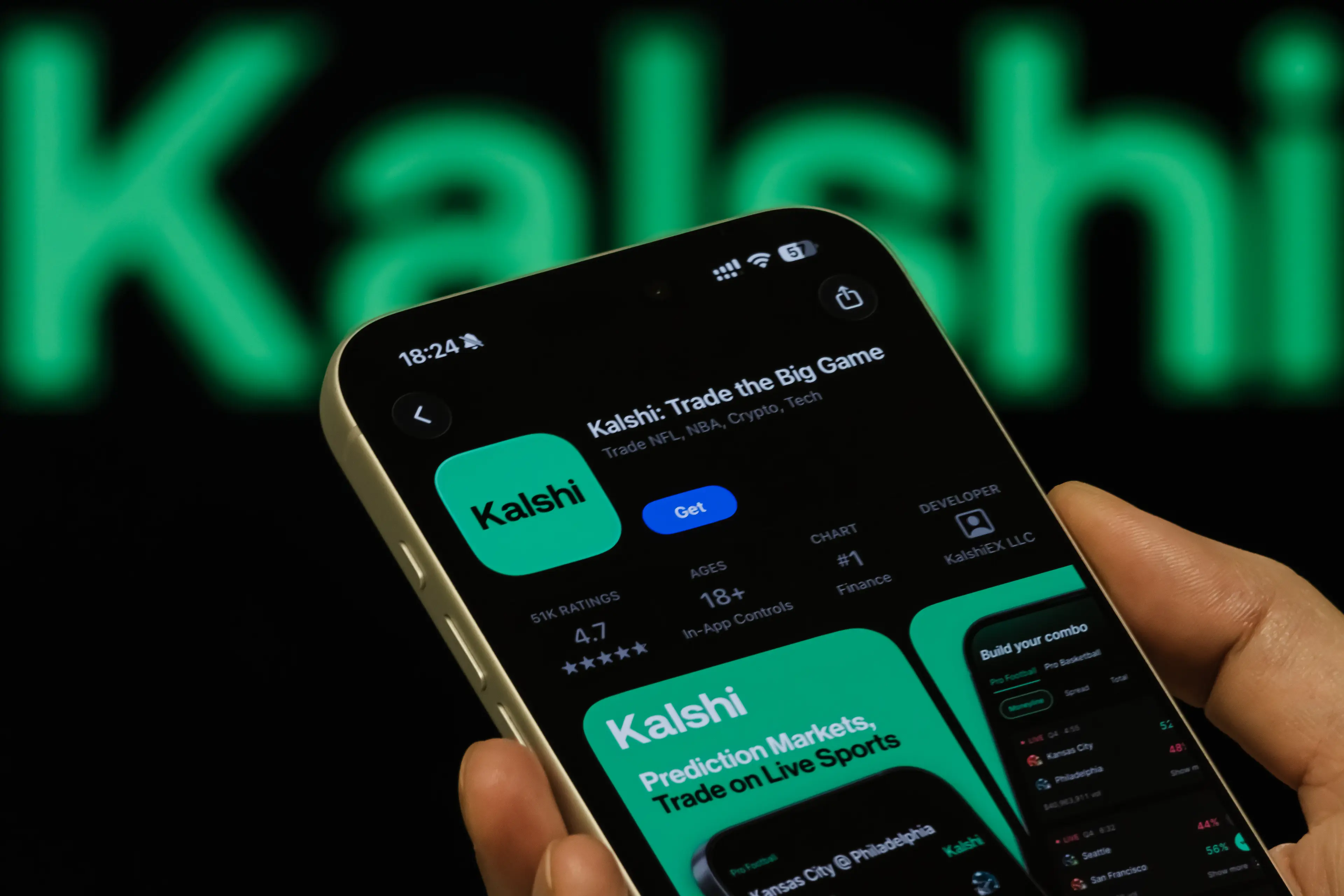
The state of Washington has filed a lawsuit against Kalshi, a prediction market platform, alleging that the company is offering gambling products that are disguised as legitimate prediction markets and are in violation of state regulations. This action follows a similar development in Nevada, where a temporary restraining order was issued against Kalshi, compelling the platform to cease offering its sports, election, and entertainment-based contracts within the state.
Key Takeaways
- Washington state has sued Kalshi, accusing the prediction market provider of violating state laws.
- The lawsuit claims Kalshi’s products are essentially gambling, circumventing state regulations.
- Nevada previously obtained a temporary restraining order against Kalshi and a similar order against Coinbase’s prediction markets.
- Legal experts suggest the ongoing dispute between states and prediction market providers may eventually reach the U.S. Supreme Court.
The lawsuit filed by Washington’s Attorney General contends that Kalshi’s offerings operate similarly to sportsbooks and other gambling operations. The complaint highlights that Kalshi advertises its services as a way for consumers to “bet on anything,” while labeling them as “prediction markets” rather than “gambling.” Washington’s legal framework strictly regulates gambling, including a ban on online gambling, and the state argues that Kalshi’s products bypass these established rules.
The legal filing further asserts that Kalshi’s advertisements refer to “legal betting” and that the company’s activities align with the state’s definitions of “gambling,” “professional gambling,” and “bookmaking.” The suit also claims that Kalshi’s products contribute to gambling addiction and are particularly targeted at college students. Kalshi, however, has filed a notice to move the case to federal court, stating that these issues are already being addressed in other federal courts and that Washington provided no prior warning or dialogue before initiating the lawsuit.
Elizabeth Diana, Kalshi’s head of communications, stated that the Attorney General’s press release referenced war-related contracts, but the lawsuit itself only mentioned a contract concerning the tenure of a former Supreme Leader of Iran. Diana emphasized, “As other courts have recognized, Kalshi is a regulated, nationwide exchange for real-world events, and it falls under exclusive federal jurisdiction. This is fundamentally different from what state-regulated bookmakers and casinos offer their customers. We are confident in our legal arguments.”
The legal actions taken by Washington and Nevada reflect a broader trend of state-level challenges against prediction market providers. Proponents of these platforms, including CFTC Chairman Mike Selig, argue that these companies offer derivative contracts that fall under federal regulatory oversight. Conversely, states maintain that these products constitute gambling, disguised as other financial instruments, and should therefore be subject to state gambling laws. While both sides have achieved some initial legal victories, the ultimate resolution of this contentious issue is anticipated by legal experts to be decided by the U.S. Supreme Court.
Nevada’s Regulatory Actions
The lawsuit in Washington occurred just a week after Nevada secured a temporary restraining order against Kalshi. This order mandates that Kalshi remove its sports, entertainment, and election contracts from the state for a minimum of two weeks. A hearing is scheduled for April 3rd, where a state judge will determine whether to extend these restrictions. Reports from the trade publication Gambling Insider indicated that some Kalshi users in Nevada were still able to access the platform despite the temporary ban.
Nevada has also obtained a preliminary injunction against Coinbase, compelling the cryptocurrency exchange to pause its prediction market services in the state. This order, issued on March 26th, follows an initial temporary restraining order from early February. A Nevada District Court judge noted that Coinbase did not dispute offering “event-based contracts” related to sports, university basketball, football, and elections, which align with Nevada’s definition of “sports betting.”
The judge further observed that Coinbase collaborates with Kalshi. Similar to the order against Kalshi, the injunction prohibits Coinbase from offering sports, election, or entertainment contracts in Nevada until the broader legal proceedings are resolved. The court has granted Coinbase 60 days to implement “technological enhancements” to comply with the order. Both federal district courts involved in these cases are part of the Ninth Circuit Court of Appeals.
Learn more at : www.coindesk.com