

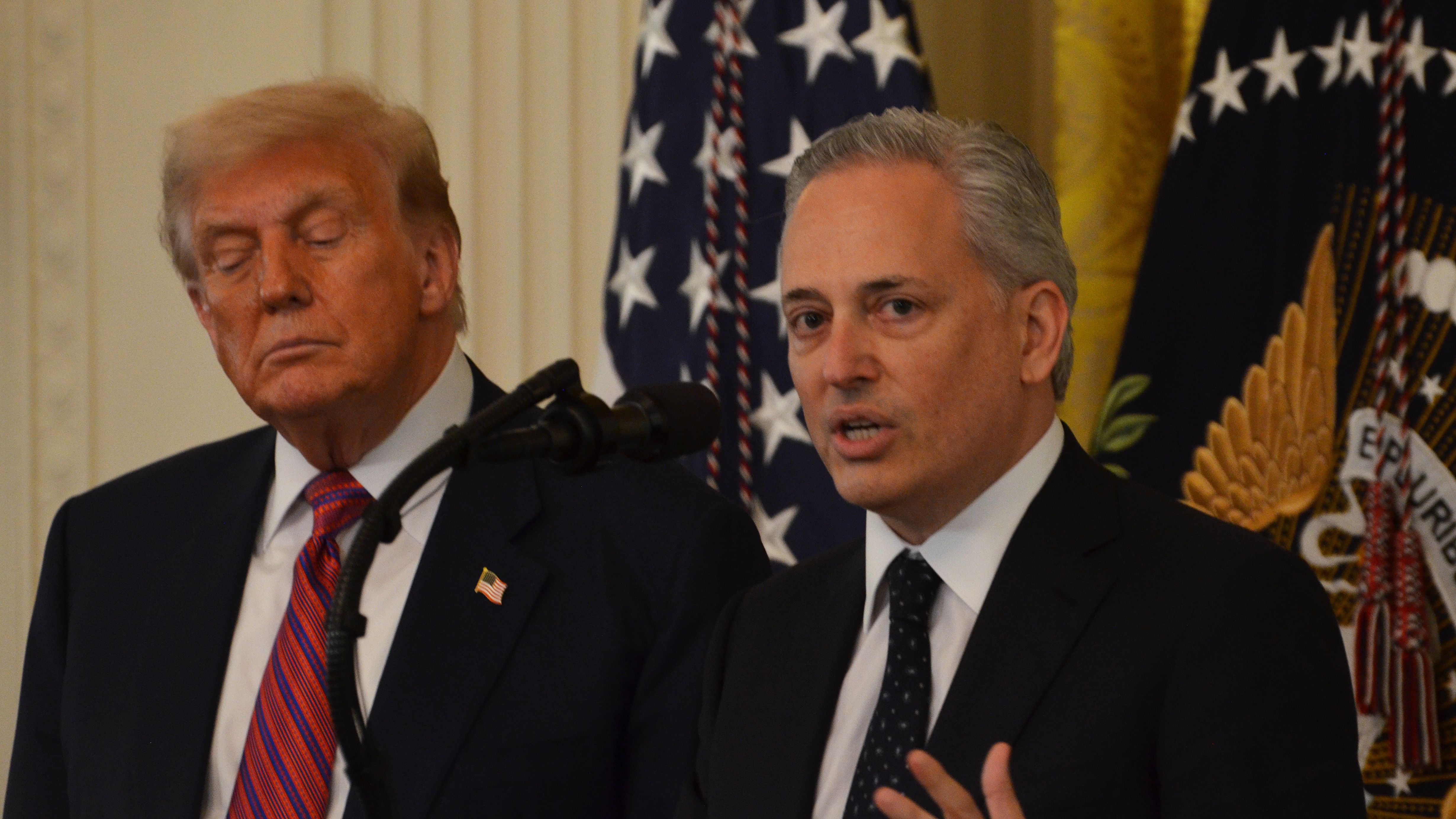
David Sacks, who previously held the position of White House Lead on Artificial Intelligence and Cryptocurrencies, is transitioning to a new role. He will now serve as Co-Chair of the President’s Council of Advisors on Science and Technology (PCAST), as announced on Thursday. Sacks had been appointed by the current administration in January to oversee initial White House efforts concerning cryptocurrency initiatives, including legislative work on stablecoin regulation and a proposed framework for the crypto market structure.
Key Takeaways
- David Sacks is moving from his role as White House Lead on AI and Crypto to become Co-Chair of PCAST.
- His previous role as “crypto and AI czar” was a temporary position, raising concerns about exceeding the 130-day limit.
- The new role on PCAST does not face the same time-limit restrictions.
- PCAST will advise the President on science, technology, and innovation policy, with a focus on advanced technologies like AI and quantum computing.
- Sacks indicated that PCAST’s work will align with the President’s AI initiative but will also cover other critical technological areas.
- Cryptocurrency was not mentioned in Sacks’s recent interview regarding PCAST’s agenda.
- Prominent figures from the tech and investment industries are also joining PCAST.
In a public statement on X (formerly Twitter), Sacks described PCAST as the principal body for external advisors tasked with shaping science, technology, and innovation policy for the President and the White House. He highlighted that the council would comprise thirteen leading global experts in science and technology.
Previously, Sacks had been designated as a “special government employee,” a classification that typically limits such positions to 130 working days. This detail had previously drawn scrutiny from members of Congress who expressed concerns that Sacks might have exceeded this duration. His new appointment to PCAST, however, operates under a different advisory capacity that circumvents these time limitations.
In an interview with Bloomberg, Sacks outlined PCAST’s mandate, stating that the council will focus on providing policy recommendations and conducting research in areas such as artificial intelligence, quantum computing, and nuclear energy, among other “frontier technologies.” He expressed his intention for PCAST to actively support the President’s recently unveiled AI initiative, anticipating significant activity in this sector, alongside other emerging technological fields.
Notably, Sacks did not mention cryptocurrency in his remarks concerning the scope of PCAST’s activities in the interview.
The newly formed PCAST includes a distinguished group of individuals from the technology and investment sectors. Notable members comprise Marc Andreessen (Co-founder of Andreessen Horowitz), Sergey Brin (Co-founder of Google), Michael Dell (Founder of Dell), Fred Ersham (early investor in Coinbase), Jensen Huang (CEO of NVIDIA), Lisa Su (CEO of AMD), and Mark Zuckerberg (Founder of Meta). Michael Kratsios, who has served in previous Trump administrations, will also serve as Co-Chair.
Potential Regulatory Precedent
The appointment of an individual with a background in cryptocurrency and AI to a senior advisory role, even a temporary one, signals a continued focus by the administration on these burgeoning fields. While Sacks’s previous role was subject to specific time constraints and regulatory concerns, his move to PCAST, a more formal advisory body, suggests an ongoing effort to integrate technological expertise into policy-making. This transition may set a precedent for how administrations engage with experts in rapidly evolving sectors like digital assets and artificial intelligence, potentially influencing future regulatory approaches and the structure of advisory councils dedicated to technological innovation. The involvement of prominent tech leaders on PCAST could also indicate a direction towards industry-informed policy development, though the specific legal implications and the extent of influence on future regulations remain subjects of observation.
Original article : www.coindesk.com