

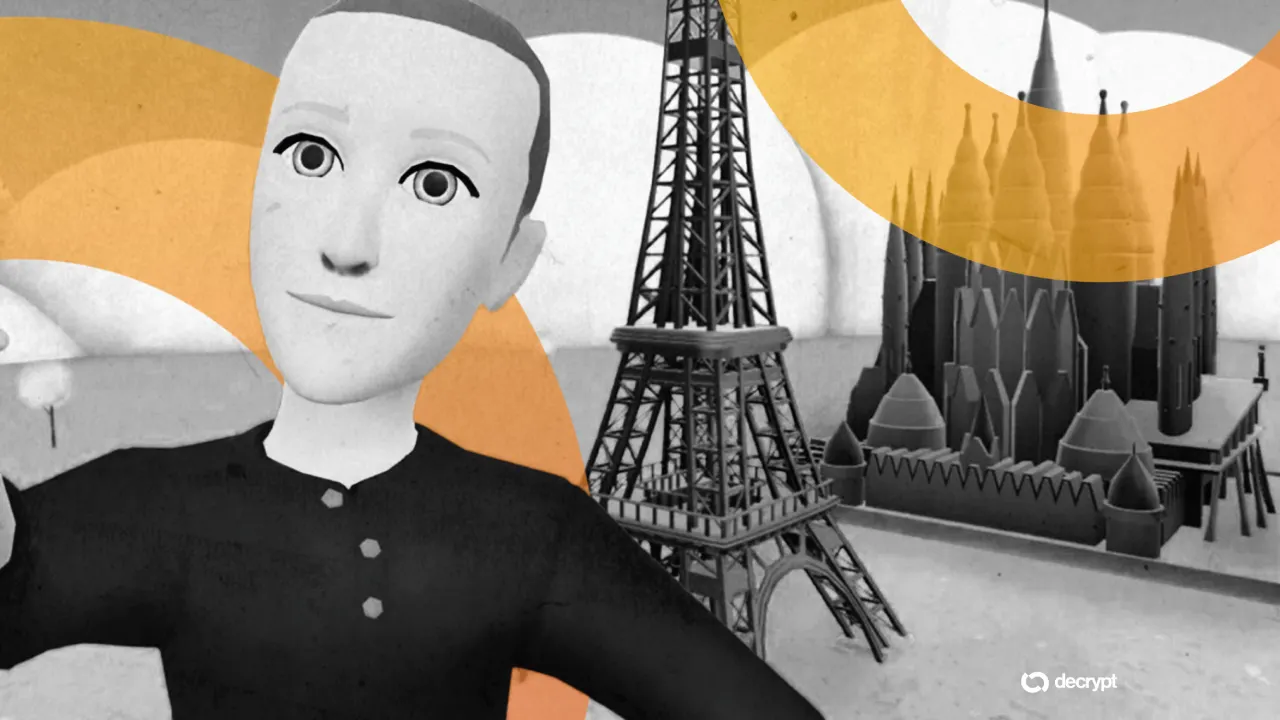
Meta is reportedly developing a photorealistic, AI-driven digital replica of CEO Mark Zuckerberg, designed to interact with employees. This initiative marks a significant shift from Meta’s previous metaverse-centric strategies, underscoring a growing focus on artificial intelligence for internal communication and management. The AI clone is being meticulously trained on Zuckerberg’s speech patterns, mannerisms, and strategic insights to provide an always-available, seemingly personal connection for staff.
Key Takeaways
- Meta is creating an AI-powered, photorealistic digital avatar of Mark Zuckerberg.
- The goal is to offer employees a scalable and constant form of leadership interaction.
- This development signifies a strategic pivot from metaverse engagement to AI-driven internal operations.
- The project requires substantial computing power and has led to acquisitions of voice technology companies.
- Meta’s investment in AI is evident in its capital expenditure plans and the development of AI models like Muse Spark.
This ambitious project, spearheaded by Meta’s new Superintelligence Labs, aims to bridge the gap between leadership and employees through advanced AI. The digital Zuckerberg is being fed extensive data, including his communication style and strategic viewpoints, to create an authentic representation capable of engaging in substantive conversations. This move represents a departure from the often-criticized virtual avatars of the past, such as the one that became a widespread internet meme, suggesting a more mature and functional approach to digital identity within the corporate environment.
The technical undertaking is considerable, necessitating vast computational resources for realistic and responsive interactions. Meta’s recent acquisitions of voice technology firms like PlayAI and WaveForms highlight their commitment to advancing the underlying technology. Furthermore, the company’s projected capital expenditure for 2026, expected to nearly double from the previous year, points to a significant investment in AI infrastructure and development. The recent release of Muse Spark, a specialized AI model from Superintelligence Labs, further signals Meta’s intensified focus on AI capabilities.
Internally, Meta is encouraging its workforce to adopt AI tools and develop their own AI agents using the open-source platform OpenClaw. This push includes practical exercises for product managers, such as system design tests and coding challenges, indicating a company-wide effort to integrate AI into daily workflows. This contrasts sharply with the struggles experienced during the metaverse era, where projects like Horizon Worlds faced quality issues and low internal adoption, leading to substantial financial losses and a strategic reevaluation.
Long-Term Technological Impact on the Industry
The development of a sophisticated AI clone of a CEO like Mark Zuckerberg has profound implications for the future of enterprise communication, blockchain innovation, and Web3 development. If successful, this technology could set a new standard for how large organizations manage internal engagement and disseminate information. Imagine AI agents trained on the expertise of various department heads, providing instant, context-aware support to employees, regardless of time zones or meeting schedules. This mirrors the potential for decentralized autonomous organizations (DAOs) to leverage AI for governance and operational efficiency within blockchain ecosystems. The underlying AI models, if made interoperable or accessible via APIs, could become foundational elements for future Web3 applications, enhancing user experiences and enabling more intelligent decentralized services. The immense computing power required also pushes the boundaries of hardware and network infrastructure, potentially accelerating advancements in areas like distributed computing and specialized AI chips, which are crucial for scaling blockchain solutions and powering the next generation of the internet.
This shift towards AI-driven interaction could also influence how digital assets and identities are managed in decentralized environments. As AI becomes more integrated into corporate structures, the need for secure, verifiable digital identities on the blockchain will likely increase, supporting both human users and their AI counterparts. Furthermore, the data used to train these AI models, if managed with privacy and security in mind, could eventually be tokenized or utilized within decentralized data marketplaces, fostering new economic models within the Web3 space. The ability to create and deploy sophisticated AI agents could also find applications in managing decentralized finance (DeFi) protocols, optimizing trading strategies, or enhancing smart contract security through AI-driven analysis.
Information compiled from materials : decrypt.co