

 Coachella is pushing the boundaries of live event experiences by integrating advanced AI technologies, transforming the renowned music festival into a significant testing ground for innovative fan and artist tools. In collaboration with Google DeepMind, the festival explored three distinct AI-driven prototypes during its 2026 event, focusing on “world models”—AI systems capable of generating dynamic and interactive digital environments. These experiments aim to redefine creative expression for artists and deepen fan engagement, building on Coachella’s history of leveraging cutting-edge technology like AR and NFTs. Key Takeaways:
- Coachella partnered with Google DeepMind to develop and test three AI-powered experimental tools at the 2026 festival.
- The prototypes include a 3D immersive archive of live performances, an AI-assisted stage planning application for artists, and an interactive mobile game.
- These initiatives represent an evolution of Coachella’s previous technological explorations, including blockchain-based NFTs and augmented reality features.
- The AI tools leverage Google DeepMind’s “world model” capabilities, specifically Project Genie, to create interactive digital experiences.
- The ultimate goal is to enhance artist creative potential and offer richer, more engaging experiences for festival attendees both on-site and remotely.
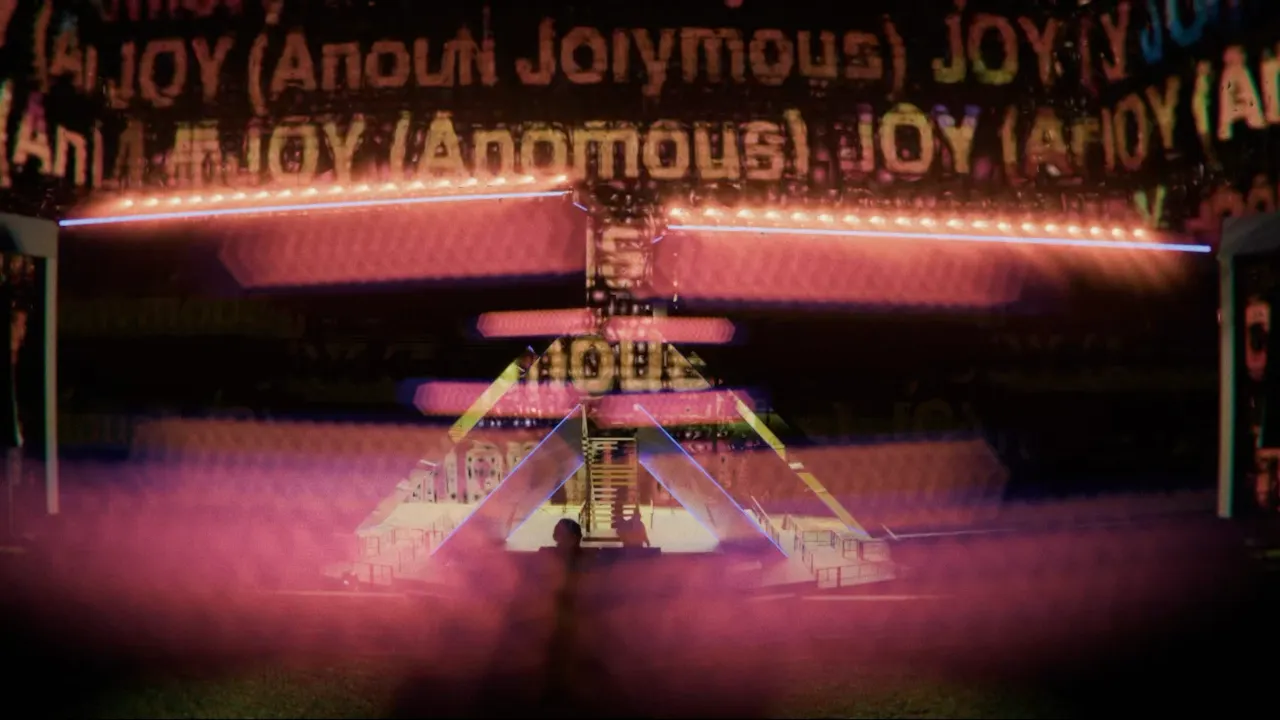
The first prototype, titled “Turning Performances Into Interactive Experiences,” focuses on capturing live shows and reconstructing them into explorable 3D environments. By recording elements like lighting, audio, stage visuals, and performer and crowd movements, the system can recreate performances in engines like Unreal Engine. This technology could pave the way for “living archives” of past shows, allowing fans to revisit performances from various viewpoints or even experience them with dynamically generated alternate visuals. Ryan Cenicola, Coachella’s innovation production lead, highlighted the potential for future on-site fan engagement, especially with emerging AR hardware, to create even more immersive experiences. A second experimental tool caters to artists by offering an AI-powered stage design application. This platform enables performers to upload visuals or input text prompts to visualize how their shows would appear on 3D models of Coachella’s stages under different conditions. The intention is to democratize sophisticated production design, providing artists with fewer resources access to tools previously exclusive to larger acts. The third project, a mobile game named Coachella vs. The Game, immerses players in digital worlds inspired by festival artists, offering a unique way to explore the lineup and festival atmosphere before arrival. Kevin McMahon, Coachella’s innovation partnerships lead, noted the significant reduction in development timelines for these AI-driven experiences, a testament to the rapid advancement of AI tools. The choice of Google DeepMind over other AI firms was attributed to their advanced visual AI capabilities and an established relationship with Coachella, including its use of Google’s platforms for livestreams. McMahon emphasized the alignment between Google’s visual models and the festival’s visually rich environment, coupled with the speed and ease of use of their tools. These AI initiatives follow Coachella’s prior forays into Web3 and immersive technologies, such as the Avalanche blockchain-based “Coachella Quests” NFTs in 2024 and previous NFT pass experiments, demonstrating a consistent commitment to integrating emerging technologies into the festival’s ecosystem. While currently internal proofs of concept, Coachella is evaluating the insights gained to determine future public rollouts.
The Long-Term Impact on Digital Experiences and Blockchain Integration
Coachella’s bold experiments with AI and immersive digital worlds signify a pivotal moment for how the entertainment industry can leverage decentralized technologies and artificial intelligence. The development of “world models” by Google DeepMind, as seen in Coachella’s prototypes, has profound implications for the creation of persistent digital spaces. This aligns with the growing interest in the metaverse and Web3, where blockchain technology can provide the underlying infrastructure for ownership, identity, and interoperability. The ability to capture live performances and recreate them as interactive 3D archives has the potential to democratize access to cultural moments, making them accessible globally and perpetually. This could extend the reach and longevity of artistic content far beyond the confines of a physical event.
Furthermore, the use of AI in stage design and the creation of interactive mobile games demonstrates a shift towards AI as a co-creator and engagement tool. For blockchain, this integration offers new use cases beyond simple ticketing or collectible NFTs. Imagine AI-generated virtual merchandise tied to on-chain ownership, or decentralized autonomous organizations (DAOs) formed around specific artists or festival experiences. Layer 2 solutions could play a crucial role in scaling these complex interactions, ensuring that the high volume of transactions associated with digital experiences remains fast and cost-effective. As these technologies mature, we can anticipate a future where the lines between physical and digital events blur, with blockchain providing the secure and transparent framework for novel forms of fan participation and artist-creator economies.
Details can be found on the website : decrypt.co