

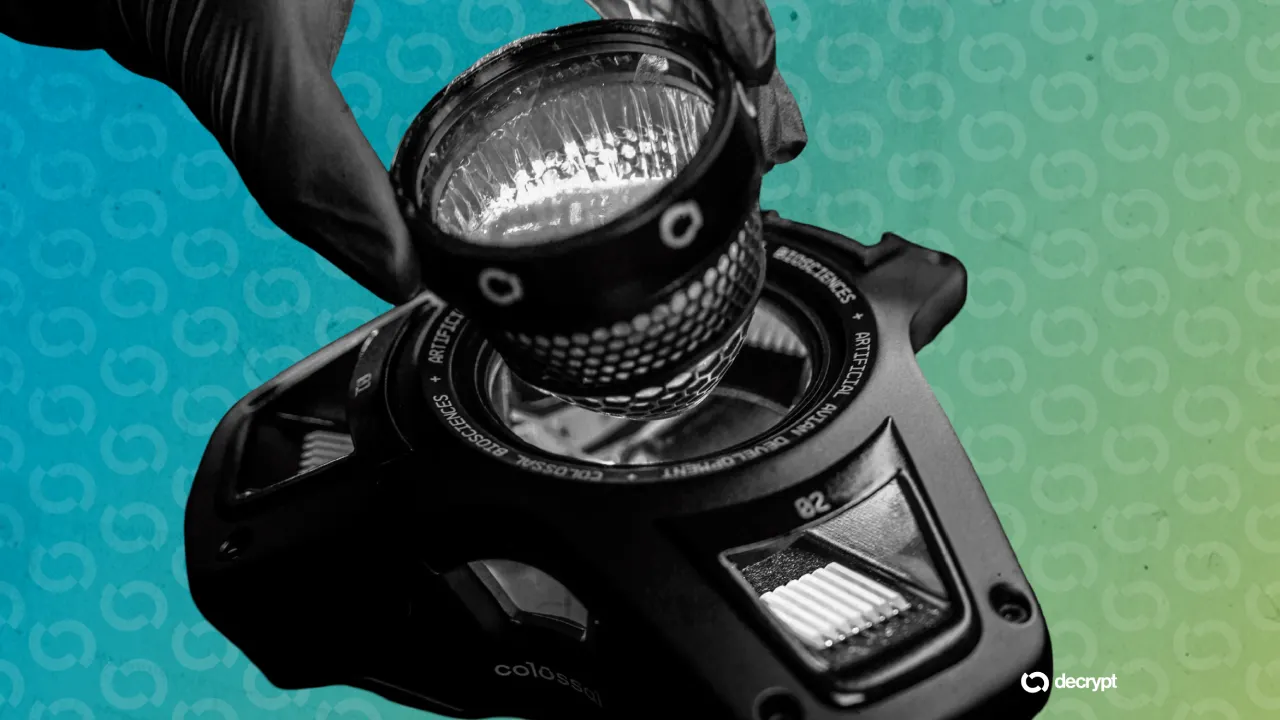
 The world of biotechnology is witnessing a potential paradigm shift as Colossal Biosciences, a startup focused on de-extinction, announces it is on the cusp of completing a sophisticated artificial womb system. This advanced ectogenesis technology, designed to support mammal development entirely outside a biological host, could have profound implications for conservation efforts and reproductive science, even as the company continues its ambitious long-term goal of reviving the woolly mammoth. The company reports that its artificial womb platform has achieved a remarkable 100% development rate in its current testing phases. The primary remaining challenge lies in precisely replicating the complex chemical signaling pathways that govern early embryonic development, a hurdle that remains critical for achieving full-term gestation outside a natural environment. While the technology is not yet integrated into their woolly mammoth revival plans slated for late 2028, its development marks a significant leap in bioengineering.
Key Takeaways
- Colossal Biosciences claims its artificial womb system is nearing completion, having resolved hardware and software challenges.
- The final significant hurdle involves accurately simulating chemical signaling crucial for early mammalian development.
- The platform has demonstrated a 100% development rate in tests, notably with the fat-tailed dunnart, an Australian marsupial.
- This breakthrough has potential applications beyond de-extinction, including conservation of endangered species and advancements in reproductive medicine.
- Colossal emphasizes its commitment to open-sourcing technologies for conservation purposes.
Colossal’s artificial womb, developed at their Australian laboratory under the guidance of Chief Biology Officer Andrew Pask, functions by meticulously recreating the uterine environment. It provides essential oxygen, nutrients, and hormones while managing waste removal through a system that integrates AI-driven monitoring and proprietary algorithms. This intelligent system continuously analyzes embryo development and adjusts the biochemical milieu in real-time, ensuring the closest possible approximation to natural biological growth. Researchers have been refining this platform using the fat-tailed dunnart, chosen for its exceptionally short 13-day gestation period. The team successfully guided dunnart embryos through their critical developmental stages, with AI and physiological monitoring tools serving as vital aids in benchmarking against natural biological progressions. Chief Biology Officer Andrew Pask highlighted the rigorous testing, stating, “We have been testing and perfecting the artificial egg system, so we have been optimizing it as we go along and stopping development at various stages to ensure correct body patterning and health of the embryos.” The successful maturation of 26 dunnart embryos, which are now being monitored as they grow, underscores the platform’s efficacy. Despite this significant advancement, Colossal has clarified that the artificial womb is not currently factored into their immediate plans for a late 2028 woolly mammoth birth. This comes after earlier discussions where the technology was presented as a potential alternative to using endangered Asian elephants for surrogate pregnancies. The company has been actively expanding its reproductive engineering capabilities, notably with the birth of cloned dire wolf pups in April 2025 and the cloning of a dog for former NFL quarterback Tom Brady in November.
Long-Term Technological Impact on the Industry
The completion of a functional artificial womb by Colossal Biosciences represents more than just a scientific achievement; it signifies a potential pivot point for multiple sectors. The integration of advanced AI for real-time biological monitoring and adaptive environmental control within the artificial womb system showcases a powerful synergy between machine learning and developmental biology. This level of precision, enabling 100% development rates in controlled experiments, suggests that AI could become an indispensable tool in understanding and manipulating complex biological processes across various applications. Furthermore, the development of an artificial womb addresses fundamental challenges in bioengineering and synthetic biology, pushing the boundaries of what is possible in creating life-sustaining environments. The successful application of this technology could dramatically accelerate research in areas such as organogenesis, xenotransplantation, and the development of cell-based therapies, by providing a controlled environment to study and grow tissues and organs ex vivo. The potential for open-sourcing these technologies, as Colossal proposes for conservation, could also democratize access to advanced bioengineering tools, fostering widespread innovation and collaboration within the scientific community. Ultimately, this breakthrough could lead to a future where the limitations of natural reproduction are significantly overcome, opening new avenues for species preservation, medical advancement, and our fundamental understanding of life itself.
Learn more at : decrypt.co