

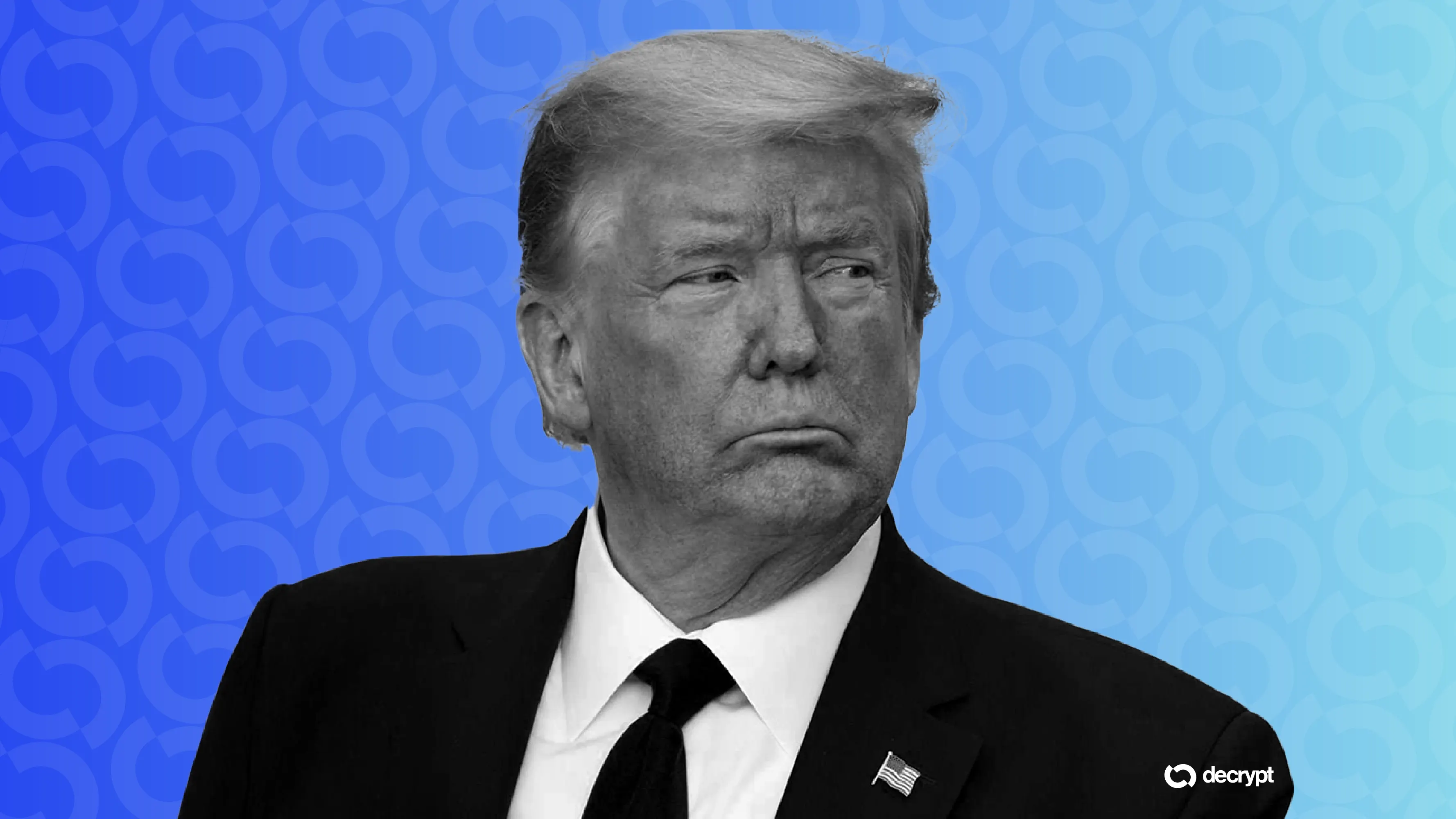
President Donald Trump has announced a delay in the signing of a planned AI executive order, citing concerns that certain provisions could impede U.S. technological advancement in the critical race with China. The order, intended to establish a voluntary framework for AI companies to share advanced models with the government prior to public release, was postponed to ensure it does not create unnecessary hurdles for the burgeoning AI industry.
Key Takeaways
- President Trump halted the signing of an AI executive order due to concerns it could slow U.S. AI development.
- The proposed order would have created a voluntary system for companies to submit frontier AI models to the government for testing before public release.
- Trump indicated that the order’s provisions might hinder the U.S. competitive edge against China in AI development.
- The administration expressed interest in AI’s economic potential while emphasizing the need to maintain leadership.
- Trump mentioned discussing AI with Chinese President Xi Jinping, who acknowledged the U.S. lead in the field.
During a press conference, Trump stated his disapproval of specific aspects of the draft order, expressing a desire to preserve the United States’ leading position in AI innovation. He emphasized that the goal is to avoid any measures that could compromise this advantage, particularly in the context of escalating global competition. While not detailing the exact provisions causing concern, Trump suggested that the order risked becoming a “blocker” to progress.
The proposed executive order aimed to foster collaboration between AI developers and federal agencies, particularly for national security and capability testing of cutting-edge models. It also envisioned critical infrastructure providers, such as financial institutions, gaining pre-release access to these advanced AI systems, alongside provisions for identifying cybersecurity vulnerabilities in unreleased models. This initiative comes amidst growing awareness of the national security implications of advanced AI, highlighted by recent demonstrations of AI’s capability in identifying software vulnerabilities and executing complex cyber operations.
Despite the strategic considerations and potential benefits of such a framework, Trump’s decision underscores a broader debate about regulatory approaches to AI. The administration’s stance appears to prioritize unhindered innovation and rapid development to maintain a competitive advantage, rather than implementing potentially restrictive oversight measures. Trump also noted a conversation with Chinese President Xi Jinping, where the latter reportedly acknowledged the U.S.’s strong performance in AI development.
Long-Term Technological Impact Analysis
The decision to delay the AI executive order, while seemingly a short-term regulatory pause, carries significant implications for the future trajectory of blockchain, AI integration, and Web3 development within the U.S. By prioritizing speed and minimizing regulatory friction, the administration signals a commitment to fostering rapid innovation. This approach could accelerate the adoption of advanced AI technologies, which are increasingly intertwined with blockchain’s potential for secure data management, decentralized identity solutions, and enhanced transaction verification. For Web3, a robust AI sector can fuel the development of more intelligent decentralized applications (dApps), sophisticated smart contracts, and AI-driven oracle services, potentially unlocking new paradigms for user interaction and data analysis in decentralized environments. Furthermore, a competitive AI landscape encourages advancements in Layer 2 scaling solutions, as both AI computation and blockchain transaction throughput demand greater efficiency. The emphasis on maintaining a global lead suggests continued investment and focus on research and development, potentially driving breakthroughs that benefit the broader technological ecosystem, including the specialized needs of blockchain and Web3 infrastructure.
Original article : decrypt.co