

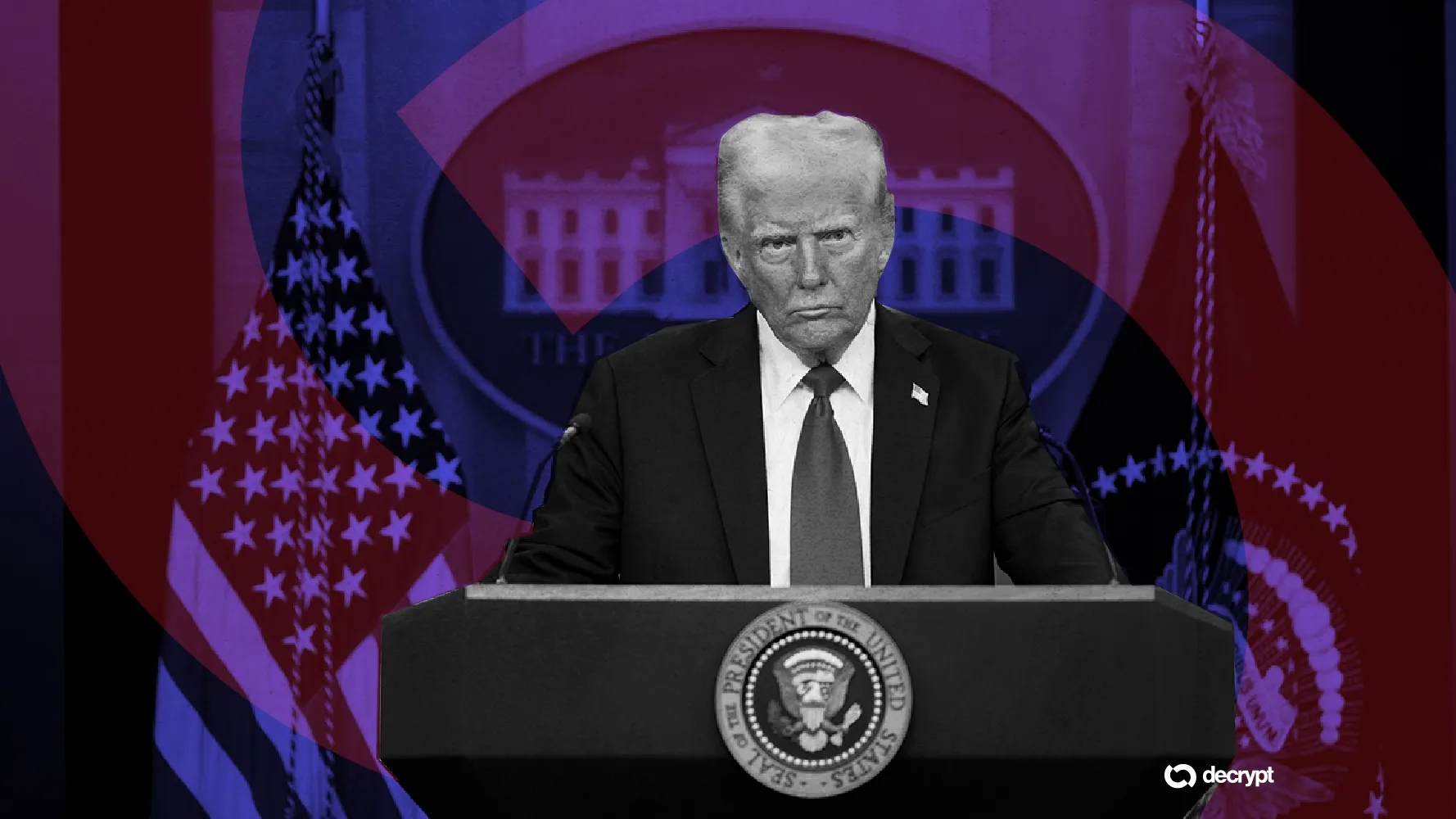
President Donald Trump has signed a new executive order, “Promoting Advanced Artificial Intelligence Innovation and Security,” designed to enhance U.S. cybersecurity through the strategic deployment of advanced AI technologies and foster increased collaboration between federal agencies and leading AI developers. This directive aims to accelerate the adoption of AI-driven cybersecurity tools, establish a dedicated AI cybersecurity clearinghouse, and implement a systematic approach for identifying and reviewing powerful AI models before their wider release.
Key Takeaways
- The executive order prioritizes the use of advanced AI for strengthening U.S. cybersecurity defenses.
- A voluntary framework will be established for the review of significant AI models prior to public deployment.
- Federal agencies are directed to enhance their use of AI cybersecurity tools and create an AI-focused information hub.
- The order emphasizes continued cooperation with the AI industry to ensure secure and rapid deployment of cutting-edge technology.
- It also outlines stricter enforcement measures against the criminal exploitation of AI.
The executive order underscores the dual nature of advanced AI, recognizing its capacity to bolster national security while simultaneously introducing novel risks. “Advanced AI capabilities make our nation stronger, but also introduce new national security considerations that require coordinated action across executive departments and agencies,” the order states. It signals an ongoing commitment to working with industry partners to ensure that the most advanced and secure AI technologies are rapidly deployed to counter national threats.
A core component of the directive involves a classified review process managed by the National Security Agency. This process will assess whether certain advanced AI systems qualify as “covered frontier models.” Developers will have the option to submit these models to the government for evaluation for up to 30 days before they are shared with other partners, a measure intended to proactively identify potential security vulnerabilities.
This initiative follows a previous delay in May regarding a similar proposal, which Trump had expressed concerns could potentially impede U.S. AI development and its competitive edge against China. The renewed focus comes amid growing awareness of AI’s capabilities, particularly highlighted by Anthropic’s Claude Mythos model. This model demonstrated an ability to identify software vulnerabilities, raising national security questions among officials about the implications of increasingly sophisticated AI systems.
Concerns about AI-driven cybersecurity risks have been echoed at the highest levels. Reports indicate that in April, Treasury Secretary Scott Bessent and then Federal Reserve Chair Jerome Powell convened a meeting with Wall Street bank CEOs to discuss these emerging threats linked to advanced AI models. Despite these discussions, companies like Anthropic are proceeding with limited access to their powerful models, such as Mythos, through programs like Project Glasswing. This initiative allows select tech firms, security companies, and governments to identify and address potential exploits prior to broader public launches, which Anthropic has suggested are imminent.
The executive order aims to provide a federal regulatory structure for AI, as various states are independently advancing their own legislative efforts. While comprehensive, the order explicitly avoids establishing a formal pre-approval process for releasing new AI models, reassuring developers. Furthermore, it mandates more robust enforcement against the illicit use of AI, including unauthorized access to public or private IT systems and the deployment of AI agents for criminal purposes. This includes addressing the recent charging of two individuals for using AI to generate and distribute non-consensual sexually explicit images, a case brought under the Take It Down Act.
Long-Term Technological Impact Analysis
This executive order represents a significant governmental acknowledgment of AI’s profound impact on national security and cybersecurity. For the blockchain and Web3 sectors, the implications are multifaceted. By establishing a framework for reviewing advanced AI models, the U.S. government is signaling a heightened awareness of the potential risks associated with powerful, rapidly evolving technologies. This could spur innovation in AI-assisted security solutions for decentralized systems, including enhanced threat detection and fraud prevention mechanisms within blockchain networks.
The emphasis on voluntary review and industry collaboration, while criticized by some as potentially insufficient, could foster closer ties between AI developers and governmental bodies. This may indirectly benefit projects that integrate AI with blockchain for applications such as smart contract auditing, decentralized identity verification, and sophisticated data analysis on-chain. The push for AI-powered cybersecurity could also lead to the development of more resilient Layer 2 scaling solutions and decentralized applications (dApps) that are better equipped to fend off sophisticated attacks.
From a Web3 development perspective, the focus on AI for security and the enforcement against criminal AI use could lead to greater demand for secure, AI-resistant infrastructure. Developers might explore novel cryptographic techniques and AI-driven anomaly detection to safeguard decentralized autonomous organizations (DAOs) and decentralized finance (DeFi) protocols. The long-term effect may be a more mature and secure Web3 ecosystem, where AI is not only a tool for innovation but also a critical component of its defense architecture, potentially accelerating mainstream adoption by building greater trust and security.
According to the portal: decrypt.co