

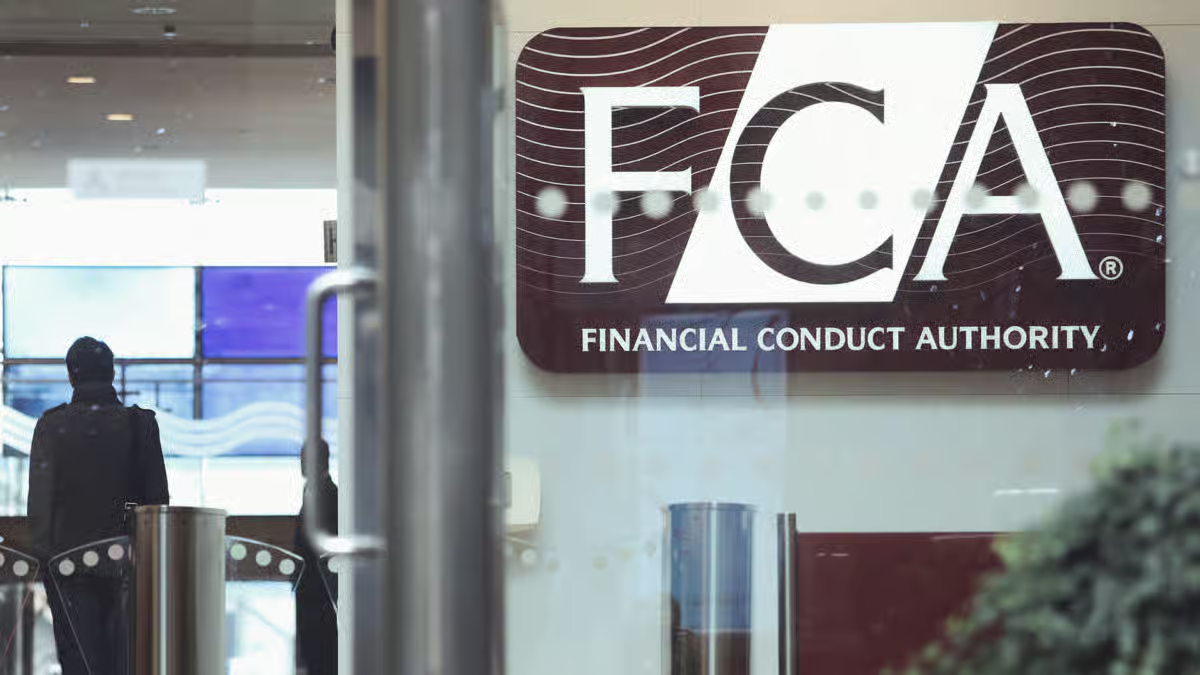
The United Kingdom’s financial regulatory body has issued a stern warning to football clubs, including those in the Premier League, concerning sponsorship agreements with cryptocurrency firms operating without proper authorization. The Financial Conduct Authority (FCA) has expressed concerns that these partnerships may expose football supporters to significant financial risks.
Key Takeaways
- The Financial Conduct Authority (FCA) has cautioned football clubs about sponsorship deals with unauthorized cryptocurrency firms.
- The regulator highlighted the risk of exposing fans to financial harm through such partnerships.
- Football clubs are urged to verify the origin of sponsorship funds and evaluate associated financial crime and reputational risks.
- The FCA indicated that funds from unauthorized entities could be considered criminal property under UK law.
- The regulator is collaborating with government bodies and sports authorities to address these concerns across the sport.
In a formal communication, the FCA advised clubs to thoroughly vet their sponsorship arrangements, ensuring they fully understand the source of funds provided by crypto entities. The watchdog emphasized the importance of assessing potential exposure to financial crime and reputational damage stemming from these deals.
The FCA noted a pattern where several unauthorized crypto and trading platforms have targeted football fans through sponsorships with sports clubs. Lucy Castledine, director of consumer investments at the FCA, stated that clubs should not permit their trusted brand to be leveraged by unauthorized financial firms to promote potentially risky products to their fanbase.
Fiona Mackinnon-Miller, head of the FCA department responsible for consumer investments and scams, detailed in the letter that clubs must ascertain the legitimacy of sponsorship funds. This due diligence is crucial to mitigate risks associated with financial crime and potential damage to the club’s reputation.
While specific clubs and sponsorship deals were not publicly named, the FCA indicated that funds received from unauthorized firms could potentially be classified as criminal property under the UK’s Proceeds of Crime Act. The regulator affirmed its commitment to taking action where necessary, having already engaged directly with clubs where concerns have been identified. The FCA is also working in conjunction with the government, the Premier League, and the Independent Football Regulator to tackle this issue comprehensively within the sport.
The cryptocurrency industry has seen increasing engagement with major sports entities globally. In the UK, several prominent football clubs have recently entered into sponsorship agreements with crypto exchanges, such as OKX’s partnership with Manchester City and BingX’s sponsorship of Chelsea. These developments underscore the growing intersection of sports and digital assets, necessitating robust regulatory oversight.
Regulatory Precedent and Potential Ramifications
The FCA’s direct intervention and warning to football clubs establish a significant regulatory precedent for the broader sports sponsorship landscape in the UK, particularly concerning the burgeoning crypto sector. This action signals a proactive stance by the FCA to protect consumers from the potential pitfalls associated with unauthorized crypto firms. By emphasizing the risk of funds being deemed criminal property, the FCA is not only highlighting financial crime concerns but also potentially creating a basis for further legal scrutiny of both the crypto firms and the entities that partner with them.
This move by the FCA aligns with a global trend towards stricter regulation of the crypto industry. Jurisdictions worldwide, including the European Union with its Markets in Crypto-Assets (MiCA) regulation, are implementing comprehensive frameworks to govern crypto service providers and protect investors. The FCA’s approach, focusing on the downstream effects of unauthorized entities sponsoring popular cultural institutions like football clubs, demonstrates a broad-based strategy to curb regulatory arbitrage and prevent illicit activities from gaining legitimacy through association.
The legal stakes for football clubs are considerable. Failure to conduct adequate due diligence on sponsors could lead to investigations, reputational damage, and potential legal liabilities, especially if sponsorship funds are later found to be linked to criminal activities. For unauthorized crypto firms, such actions by regulators increase the pressure to comply with existing financial regulations or face enforcement actions. This regulatory tightening could lead to a consolidation within the crypto industry, favoring compliant entities and potentially reducing the prevalence of “dodgy products” being marketed to an unsuspecting public through high-profile sponsorships.
Information compiled from materials : www.theblock.co